Buying medication online has never been easier or more convenient. From prescription drugs to over-the-counter remedies, the digital pharmacy revolution has put a vast array of health solutions at our fingertips. But with this accessibility comes a critical question: how can you be certain that the medications arriving in your mailbox are genuine, safe, and effective? The World Health Organization estimates that 1 in 10 medical products in low- and middle-income countries is substandard or falsified, and even high-income regions are not immune to the dangers of counterfeit drugs. This practical guide will walk you through the essential steps, tools, and resources to verify the authenticity of medications purchased online, helping you protect your health and make informed choices.
The Global Rise of Counterfeit Medications: Why Vigilance Is Crucial
The online pharmacy market is booming—valued at over $68 billion globally in 2022 and projected to surpass $210 billion by 2028. However, this rapid growth has also attracted counterfeiters and criminal networks. According to Interpol's Operation Pangea, in a single week in 2023, authorities seized over 3 million units of illicit pharmaceuticals from illegal online sources.
Counterfeit medications can be ineffective at best and dangerous at worst. They may contain incorrect doses, harmful substances, or no active ingredient at all. The consequences can range from treatment failure to severe adverse reactions or even death. Recognizing these risks is the first step towards safe online medication purchases.
.png)
Step-by-Step: How to Check Medication Packaging and Labeling
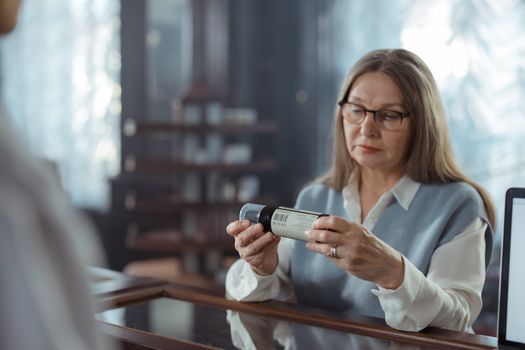
One of the most effective ways to assess a medication’s authenticity is to scrutinize its packaging and labeling. Counterfeit drugs often betray themselves through poor attention to detail. Here’s what to look for:
- $1: Genuine pharmaceutical companies maintain high packaging standards. Misspelled words, poor grammar, or blurry print are red flags. - $1: Compare your medication’s packaging to official images from the manufacturer’s website. Note differences in color, logo placement, or design. - $1: Authentic packaging typically includes seals or shrink wrap. If these are missing or appear previously opened, exercise caution. - $1: Check for the presence—and legibility—of batch or lot numbers and expiration dates. Verify that these match both the box and blister pack or bottle. - $1: There should be clear details about the manufacturer, including address and contact information.If you notice any inconsistencies, do not use the medication. Instead, contact the manufacturer or a pharmacist for guidance.
Authentication Technologies: Tools to Detect Fake Medications
Pharmaceutical companies and regulatory bodies have developed innovative technologies to help consumers verify medication authenticity. These tools empower you to check the legitimacy of your medicine before taking it:
- $1: Many legitimate products now feature scannable QR codes or barcodes. By scanning with a smartphone, you can access verification databases maintained by manufacturers or regulators. - $1: Some countries require unique identification numbers on each box of medication. For example, the European Union’s Falsified Medicines Directive mandates serialization for all prescription drugs. You can enter this code on official websites to confirm authenticity. - $1: In regions like Africa and parts of Asia, consumers can scratch off a panel on the medicine’s packaging to reveal a code, then text it to a designated number to instantly verify the product. - $1: Although more common in healthcare supply chains, some high-value medications include RFID chips for real-time tracking and verification.These technologies provide an added layer of security, but always use them in conjunction with other verification steps.
Understanding Regulatory Bodies and Verification Resources
Around the world, government agencies and independent organizations work tirelessly to combat counterfeit medications. Knowing which resources to consult can help you make safe choices:
- $1: In the United States, the DSCSA requires improved tracking and tracing of prescription drugs. The FDA’s website allows consumers to report suspicious medications and check for recalls. - $1: Look for seals from organizations like the National Association of Boards of Pharmacy (NABP) or LegitScript. These groups maintain lists of verified online pharmacies. - $1: The European Medicines Verification Organization (EMVO) provides a searchable database for EU-serialized medicines. - $1: The World Health Organization offers regular updates on identified counterfeit or substandard medications worldwide.Always cross-reference your online pharmacy or medication with these resources if you have doubts.
Comparing Online Sources: Safe vs. Risky Medication Vendors
Not all online pharmacies are created equal. Some operate under strict regulation, while others evade legal oversight and pose significant risks to consumers. Below is a comparison table outlining key differences between safe and risky online medication vendors:
| Characteristic | Safe Online Pharmacy | Risky Online Vendor |
|---|---|---|
| License & Accreditation | Licensed by government agencies; NABP/LegitScript certified | Unlicensed or unverifiable |
| Prescription Requirement | Requires valid prescription for prescription drugs | Sells prescription medications without a prescription |
| Contact Information | Clear address, phone, and pharmacist consultation available | No contact details or only generic email addresses |
| Drug Sourcing | Drugs sourced from authorized manufacturers | Sources often undisclosed or overseas with no oversight |
| Pricing | Competitive, but not dramatically below average | Extremely low prices that seem too good to be true |
| Website Security | HTTPS, privacy policy, secure checkout | HTTP only, poor security, or no privacy statement |
If a website exhibits several risky traits, avoid purchasing and report the site to authorities.
Reporting Suspected Counterfeit Medications: What to Do Next
Even after taking every precaution, it’s possible to encounter suspicious medications. If you suspect your online purchase may be counterfeit, take these steps:
1. $1: Set it aside in a safe place, away from children and pets. 2. $1: Use the batch and lot numbers to report the issue. Legitimate companies want to know if their products are being counterfeited. 3. $1: In the US, use the FDA’s MedWatch program. In the EU, contact your national regulatory authority. The World Health Organization also collects global reports. 4. $1: Let your doctor or pharmacist know, especially if you have already taken the medicine and experience side effects. 5. $1: Share your experience with friends and family to help them avoid similar risks.Quick action can save lives and help authorities track down the source of counterfeit medications.
Empowering Yourself: Building Habits for Safe Online Medication Purchases
The best way to protect yourself is to build a consistent routine for every online medication purchase:
- $1 - $1 - $1 - $1 - $1Remember, it only takes a few minutes to verify authenticity, but the consequences of taking a counterfeit drug can last a lifetime.