A Well-Stocked Home Medicine Cabinet: What to Include and Where to Buy Medications Online
The modern home is a hub of activity, and accidents or sudden illnesses can happen anytime. Whether it’s a scraped knee, a bout of indigestion, or a seasonal allergy flare-up, having the right medications at your fingertips can make all the difference. But what exactly should you keep in your home medicine cabinet? And with the rise of reputable online pharmacies, where is the best place to buy these essentials safely and conveniently? In this comprehensive guide, we’ll break down the must-have medications for every household, key safety tips, and how to choose the right online sources for your medicine cabinet needs.
The Essential Medications Every Home Should Have
Every home medicine cabinet should balance basic first aid needs with common over-the-counter (OTC) treatments for everyday ailments. Here’s a breakdown of the categories and specific medications to have on hand:
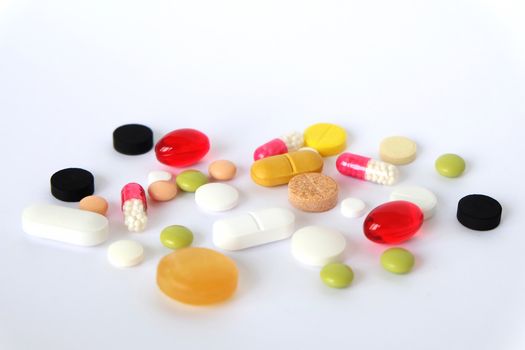
1. $1 Acetaminophen (Tylenol) and ibuprofen (Advil, Motrin) are staples. According to the CDC, acetaminophen is safe for most people and is the most commonly used pain reliever in the U.S. (with 23% of adults using it monthly). 2. $1 For upset stomachs, keep antacids (Tums, Rolaids), loperamide (Imodium) for diarrhea, and an anti-nausea medication like meclizine on hand. 3. $1 Non-drowsy antihistamines such as loratadine (Claritin) or cetirizine (Zyrtec) help manage seasonal allergies. Diphenhydramine (Benadryl) is good for severe allergic reactions and can serve double-duty as a sleep aid. 4. $1 Antiseptic ointments (Neosporin), adhesive bandages, gauze pads, and medical tape should be readily available for minor cuts and scrapes. 5. $1 Decongestants (pseudoephedrine), cough suppressants (dextromethorphan), and throat lozenges help relieve symptoms. 6. $1 Hydrocortisone cream for itching, calamine lotion for rashes, and aloe vera gel for mild burns or sunburns. 7. $1 Thermometer, tweezers, digital blood pressure monitor (especially for those with hypertension), and an oral rehydration solution for dehydration.It’s important to consider your family’s unique needs—if someone has asthma, for example, a spare inhaler (with prescription) is essential. Similarly, individuals with chronic conditions like diabetes may need to stock glucose tablets or insulin, and those with severe allergies should have an epinephrine auto-injector (EpiPen).
.png)
How to Organize and Store Your Medicine Cabinet Safely
A medicine cabinet is only as effective as its organization and safety protocols. According to the American Association of Poison Control Centers, over 38% of accidental poisonings involve medication, often because of improper storage. Here are key tips:
- $1 Always store medications out of reach and sight of children and pets. Child-proof locks or high shelves are recommended. - $1 Medications should be stored in a cool, dry location—not the bathroom, as humidity can degrade effectiveness. - $1 Keep medications in their original containers with clear labels, dosing instructions, and expiration dates. - $1 Review your medicine cabinet at least twice a year. Discard expired or unused medications using proper disposal methods (never flush unless directed).A well-organized medicine cabinet not only improves safety but also ensures you can find what you need quickly during emergencies.
What to Avoid: Medications You Shouldn’t Keep at Home
Not every medication belongs in your medicine cabinet. Here’s what to avoid:
- $1 Never keep leftover antibiotics or prescription painkillers. Using them inappropriately can lead to antibiotic resistance or accidental overdose. - $1 Effectiveness and safety can be compromised after expiration. The FDA reports that 90% of medications are safe to use for up to a year past their expiration date, but potency and reliability aren’t guaranteed. - $1 Don’t stock multiple brands of the same medication to avoid confusion and accidental double dosing.If you have questions about whether to keep a specific medication, consult your pharmacist or healthcare provider. When in doubt, safely dispose of anything questionable.
Where to Buy Home Medicine Cabinet Essentials Online: Safety and Savings
Buying medications online offers convenience, privacy, and the potential for cost savings. In fact, a 2023 Consumer Reports survey found that 39% of Americans have purchased some form of OTC medication online in the past year. However, not all online pharmacies are created equal. Here’s what to consider:
- $1 Look for online pharmacies accredited by organizations like the National Association of Boards of Pharmacy (NABP) or those displaying the PharmacyChecker or LegitScript seal. - $1 Legitimate pharmacies require a valid prescription for prescription-only drugs. Avoid sites that offer to sell these without one. - $1 Compare prices across different platforms; some offer subscription discounts or loyalty programs. - $1 Choose sites with accessible customer service, clear return policies, and verified customer reviews.For comparison, here’s an overview of three popular online pharmacy options for OTC medications:
| Online Pharmacy | Accreditation | Prescription Required for RX? | Typical Shipping Time | Average OTC Prices |
|---|---|---|---|---|
| CVS.com | NABP Verified | Yes | 2-5 Days | Moderate |
| Amazon Pharmacy | PharmacyChecker | Yes | 2 Days (Prime) | Low to Moderate |
| HealthWarehouse.com | LegitScript | Yes | 3-7 Days | Low |
Always ensure the pharmacy is licensed in your country or state. For international purchases, check local import regulations to avoid customs issues.
Tailoring Your Medicine Cabinet to Your Family’s Needs
No two households are exactly alike. Your medicine cabinet should reflect your family’s health history, lifestyle, and unique risks. For example:
- $1 Stock age-appropriate dosing devices, children’s acetaminophen or ibuprofen, and child-specific allergy medications. - $1 Blister pads, muscle rubs, and electrolyte powders are helpful for frequent exercisers. - $1 Pill organizers, easy-open containers, and low-dose aspirin (if recommended by a doctor) are valuable additions. - $1 Motion sickness tablets, insect bite creams, and small first aid kits are wise for families who travel frequently.Be proactive about updating your medicine cabinet as needs change—new allergies, diagnoses, or family members (like infants or elderly relatives) may require different products.
Cost-Saving Tips and Insurance Considerations for Online Medication Purchases
The cost of stocking a home medicine cabinet can add up, especially for larger families or those with specialty needs. Here’s how to maximize your value online:
- $1 Online pharmacies often offer bulk discounts and lower prices on generic equivalents. For example, generic ibuprofen can be up to 80% less expensive than name brands. - $1 Many sites offer digital coupons or points-based rewards for repeat customers. - $1 Many OTC medications are eligible for purchase with flexible spending or health savings accounts, especially when accompanied by a doctor’s note. - $1 Some OTC products may be covered under certain insurance plans, particularly if recommended by a physician for preventive care.Always compare prices and calculate shipping costs, as some low-priced items may have high delivery fees. For ongoing needs, consider subscription services that automatically deliver recurring essentials.
Final Thoughts: Building a Ready, Reliable Home Medicine Cabinet
A thoughtfully stocked medicine cabinet is a simple but powerful tool for safeguarding your family’s health. By focusing on core categories—pain relief, digestive aids, allergy medications, wound care, and more—you’ll be prepared for most common household emergencies and ailments. Use trusted online pharmacies to conveniently and affordably maintain your supply, but always prioritize safety and quality. Review your cabinet regularly, tailor it to your family’s evolving needs, and consult healthcare professionals when in doubt.
With the right preparation, the peace of mind you gain is invaluable—ensuring that when illness or injury strikes, you’re ready to respond.