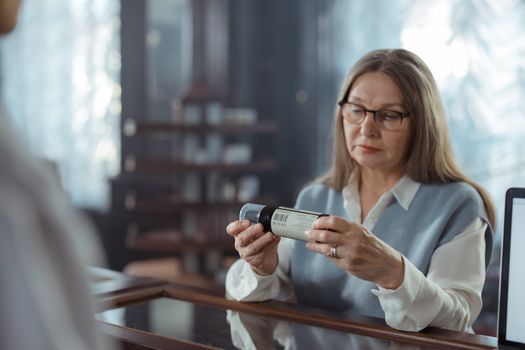
Reading medication labels is a crucial skill—especially when you purchase medicines online. With the rise of digital pharmacies, more people than ever are receiving their prescriptions by mail. But the convenience of online ordering comes with new responsibilities: ensuring you fully understand what’s in your package, how to use it, and how it might affect your health. Misreading or overlooking key details on a medication label can lead to ineffective treatment, dangerous side effects, or even serious medical emergencies. This guide will walk you through the essential steps to properly read and interpret medication labels from online sources, helping you stay informed and safe.
Understanding the Basics: What’s on a Medication Label?
Medication labels contain a wealth of information, but deciphering them can be overwhelming. Whether you’re dealing with prescription drugs or over-the-counter medicine, the core elements you’ll encounter remain consistent. Here’s what you’ll typically find:
1. $1 The substance responsible for the medication’s effect. For example, “Ibuprofen 200 mg.” 2. $1 How much to take, how often, and in what manner (e.g., by mouth, with food). 3. $1 The last date the manufacturer guarantees full potency and safety. 4. $1 For tracking and recall purposes. 5. $1 Name and contact information of the company. 6. $1 Possible side effects, drug interactions, and situations when the medicine should not be used. 7. $1 How to keep the medication safe and effective (e.g., “Store at room temperature”). 8. $1 Patient’s name, prescribing doctor, pharmacy details, and prescription number.Online pharmacies may also include QR codes or web links for further details. Understanding each component is vital for safe use.
.png)
Key Differences: Online vs. In-Store Medication Labels
While pharmacy standards are strict worldwide, labels on medications purchased online can differ from those you receive at a brick-and-mortar pharmacy. Variations might be subtle or significant, depending on the source, country of origin, and regulatory environment.
Here’s a comparison of typical differences:
| Label Element | Online Pharmacy | In-Store Pharmacy |
|---|---|---|
| Language | May be in English or local language of shipping country | Always in local language |
| Supplementary Inserts | Often digital (PDFs, web links), sometimes missing | Usually printed and included in packaging |
| Regulatory Approval | Varies by country; sometimes lacks local regulatory seals | Follows local regulations, more consistent labeling |
| Batch and Lot Number | May be harder to locate or less prominent | Clearly printed and easily found |
| Contact Information | May refer to online support or foreign manufacturer | Local pharmacy contact and pharmacist available |
A 2023 survey by the Alliance for Safe Online Pharmacies found that 18% of respondents had received medication with labels in a foreign language, and 11% reported missing or unclear dosage instructions. This highlights the importance of careful scrutiny when using online sources.
Deciphering Foreign Language Labels and Unfamiliar Brands
One frequent challenge with online medication orders is receiving products labeled in a language you don’t understand, or from brands that look unfamiliar. Here’s how to protect yourself:
- $1 Apps like Google Translate can scan and translate label text instantly. Double check medical terms for accuracy, as direct translations can sometimes be misleading. - $1 These are standard worldwide, e.g., “paracetamol” for acetaminophen. If you see a brand name you don’t recognize, check for the INN, which is typically listed beneath or beside the brand name. - $1 Use the lot number or manufacturer’s website to check if your product is genuine. The World Health Organization (WHO) estimates that 1 in 10 medical products in low- and middle-income countries is substandard or falsified, making vigilance essential. - $1 Legitimate services should provide English-language inserts on request, or have pharmacists available for clarification.If you’re ever in doubt about a label, consult your doctor or a local pharmacist before taking the medication.
Spotting Critical Warnings and Dosage Details
Even with clear language, medication labels contain small text and medical jargon that can trip up even experienced consumers. Here’s what to focus on:
- $1 Always confirm the amount of active ingredient matches your prescription. Some medications come in multiple strengths; for example, amoxicillin is available in 250 mg, 500 mg, and 875 mg tablets. - $1 Look for frequency (e.g., “Take twice daily”) and timing instructions (“with meals,” “before bedtime”). - $1 Pay attention to highlighted areas such as “Do not take with alcohol,” “Not for children under 12,” or “May cause drowsiness.” - $1 Some labels list common interactions, but it’s wise to cross-check with your prescribing doctor, especially if you take multiple medications. - $1 Some labels highlight allergens in the formulation (e.g., lactose, gluten, dyes). In the U.S., an estimated 32 million people have food allergies, so don’t overlook this section.A study in the Journal of the American Medical Association (JAMA) found that 46% of prescription label errors were related to misunderstanding warnings or special instructions. Take the time to read every line, and don’t assume prior knowledge.
The Importance of Expiration Dates, Lot Numbers, and Storage Instructions
Expiration dates aren’t just guidelines—they’re there for your safety. Medicines can lose potency or even become unsafe after the date printed. Here’s how to check:
- $1 Always located on the label or blister pack. For online purchases, verify that the medication won’t expire soon after arrival—a minimum of six months’ shelf life is ideal. - $1 Critical in case of product recalls. In 2022 alone, the FDA issued 55 separate medication recalls, many due to contamination found in specific batches. Keep a record of your lot numbers, especially for long-term medications. - $1 Medications often require “store at room temperature” (68-77°F, or 20-25°C), but some need refrigeration. Improper storage can render medication ineffective or dangerous. If your shipment arrives in extreme weather, check for any signs of damage or tampering.Online pharmacies should package temperature-sensitive medications with cold packs or insulation. If they don’t, contact the seller before using the product.
What to Do if a Label is Missing or Unclear
Even reputable online pharmacies can make mistakes. If you receive medication without a proper label, or if the information is incomplete or illegible:
1. $1 Taking unlabeled or unclear medicine is risky. 2. $1 Most legitimate pharmacies have customer support available by phone, email, or live chat. Request a replacement or a clear label. 3. $1 Some companies provide digital versions of inserts via email or their website. These are often more detailed than printed versions. 4. $1 Bring the medication to a licensed pharmacist for advice. They may be able to identify the pill and advise on its use. 5. $1 If you suspect counterfeiting or a safety issue, report the incident to your country’s health authority (such as the FDA’s MedWatch in the U.S., or the MHRA in the UK).Remember, your health and safety come first—never take a chance with unclear medication.
Staying Proactive: Tips for Safer Online Medication Use
Being a savvy consumer is your best defense. Here are some proactive tips to ensure you always understand your medication:
- $1 Keep digital copies of prescriptions, order confirmations, and manufacturer inserts. - $1 Open and inspect medications immediately upon arrival. Confirm the label matches your order and prescription. - $1 For ongoing medications, mark expiration dates in your calendar. - $1 At least once every six months, review all your medications with your doctor or pharmacist. - $1 Use trusted sources such as MedlinePlus, the FDA, or the European Medicines Agency for information on your medications.The convenience of online pharmacies is undeniable, but it requires a little extra vigilance to ensure your health isn’t compromised.
Final Thoughts: The Importance of Careful Label Reading for Online Medications
With millions of people turning to online pharmacies each year, the ability to read and interpret medication labels is more important than ever. Misreading a label—or failing to notice a missing or foreign-language insert—can have serious health consequences, from ineffective treatment to dangerous drug interactions. By following the steps in this guide, staying informed about what to look for, and knowing how to respond to unclear labeling, you can safely make the most of the convenience that online medication offers.
Remember: When in doubt, consult a healthcare professional. Your safety is too important to risk on assumptions.