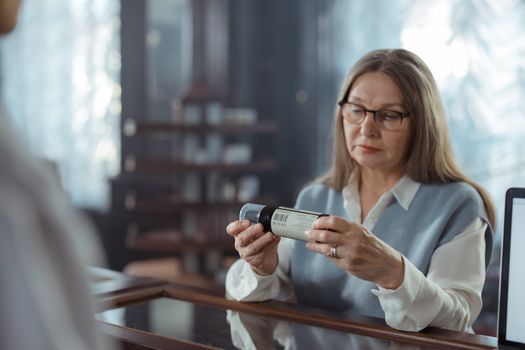
If you’ve ever found yourself standing in a pharmacy aisle or scrolling through pages of an online drugstore, you know that over-the-counter (OTC) medications are more accessible than ever. But with so many options—and multiple ways to buy—how do you know what’s safe to purchase online and when you should visit a brick-and-mortar pharmacy? This guide will help you navigate the world of OTC medications, offering practical advice on what to buy online, what’s best left to in-person purchase, and how to make informed decisions for your health and safety.
Understanding Over-the-Counter Medications: The Basics
Over-the-counter medications are drugs you can buy without a prescription, ranging from pain relievers to allergy remedies and digestive aids. In the United States alone, there are over 300,000 OTC drug products available, and Americans purchase roughly 2.9 billion units every year. Their accessibility is a boon for minor ailments, but it also means consumers must be vigilant about safe use and proper sourcing.
OTC medications fall into several categories, including:
- Pain relievers (acetaminophen, ibuprofen, aspirin) - Cold and allergy medicines (antihistamines, decongestants) - Digestive aids (antacids, anti-diarrheals, laxatives) - Topical products (creams for pain, rashes, or cuts) - Sleep aids and supplementsEach category includes multiple brands and formulations, making it crucial to understand active ingredients, potential side effects, and drug interactions. The ease of availability online adds another layer: how can you trust what you’re buying is genuine and suitable for your needs?
.png)
Shopping Online: What OTC Medications Are Safe to Buy?
Online pharmacies have transformed the way we access medications, with 42% of Americans reporting they have purchased OTC medicines online at least once. The convenience and potential for savings are clear advantages, but not all products or situations are appropriate for online purchase.
Generally safe to buy online:
- $1 Products like acetaminophen (Tylenol), ibuprofen (Advil), and simple antacids (Tums, Maalox) are mass-produced, regulated, and easy to verify online. - $1 Common antihistamines such as loratadine (Claritin) or cetirizine (Zyrtec) are typically safe—especially from reputable online stores. - $1 Bandages, topical antibiotic ointments, and basic wound care products can be reliably purchased online. - $1 Sticking to recognized brands reduces the risk of counterfeit or substandard products.When shopping online, always:
- Use verified online pharmacies (look for certifications like the National Association of Boards of Pharmacy’s .pharmacy domain). - Check for clear labeling, expiration dates, and manufacturer information. - Avoid “miracle cures” or products with vague claims—these are often red flags.When to Choose the Pharmacy: In-Person Purchases for Safety and Guidance
Despite the convenience of online shopping, there are situations where visiting a pharmacy is not only safer but also offers added benefits:
- $1 Medications with multiple active ingredients (such as cold/flu combos) can interact with other drugs. Pharmacists can help you avoid duplication and dangerous interactions. - $1 If you have chronic illnesses—like heart disease, diabetes, or high blood pressure—some OTC drugs (including decongestants and NSAIDs) can exacerbate your condition. In-person advice is invaluable. - $1 If you’re unsure about your symptoms, a pharmacist can provide immediate guidance or refer you to a doctor. - $1 Items like allergy epinephrine injectors, home diagnostic kits, or medications for infants and children may require personalized instruction.A 2021 survey by the Consumer Healthcare Products Association found that 70% of consumers prefer to consult a pharmacist for new or unfamiliar medications, underlining the value of expert advice.
Comparing Online and In-Store OTC Medication Purchases
Choosing where to buy your medications can depend on several factors: price, convenience, safety, and access to advice. Here’s a comparative overview to help you decide:
| Factor | Online Purchase | Pharmacy Purchase |
|---|---|---|
| Convenience | Shop anytime, home delivery | Immediate access, no shipping wait |
| Price | Can be cheaper, more discounts | Usually higher, limited promotions |
| Product Range | Wider selection, more brands | Limited by store inventory |
| Safety | Risk of counterfeits, must verify source | Low risk, regulated sourcing |
| Expert Advice | Limited to online chat or FAQ | Face-to-face, personalized guidance |
| Privacy | Discreet, no public interaction | Less private, especially with sensitive products |
This table highlights that while online purchases excel in convenience and price, pharmacies are unmatched for safety and expert support—especially for complex needs.