Are you curious about what medications are available to buy without a prescription from online pharmacies? With the rapid rise of digital healthcare, more people turn to online sources for their everyday health needs. But when it comes to purchasing medicine over the internet, there’s a crucial distinction: not all medications are freely available, and regulations can vary widely. Understanding what you can buy without a prescription—and what you should know before doing so—is essential for safe and effective self-care.
In this comprehensive guide, we’ll break down which medications are commonly sold over the counter (OTC) through online pharmacies, discuss categories of non-prescription drugs, explore safety and legality issues, and provide a handy comparison table for quick reference. Whether you’re looking for pain relief, allergy remedies, or travel essentials, this article will help you navigate your options with confidence.
The Growing Popularity of Online Pharmacies and OTC Medications
Online pharmacies have transformed how people access healthcare products. According to the European Commission, the global online pharmacy market was valued at over $52 billion in 2022 and is projected to grow by more than 15% annually through 2028. One key driver of this growth is the convenience of purchasing medications directly from home, avoiding trips to brick-and-mortar stores.
.png)
A significant portion of online pharmacy sales consists of over-the-counter (OTC) medications. These are drugs considered safe and effective for use without a doctor’s prescription, provided they are used as directed. The World Health Organization estimates that OTC drugs account for 60% of all medications sold in some countries, highlighting their widespread use.
Online platforms often provide a wider selection of OTC products than local pharmacies, including international brands and specialty items. However, it’s important to remember that each country regulates which medications are available without prescription, so availability may differ depending on location and the pharmacy’s licensing.
Categories of Medications Commonly Sold Without Prescription
The range of medications you can buy without a prescription online is extensive. Here’s a breakdown of the most common categories:
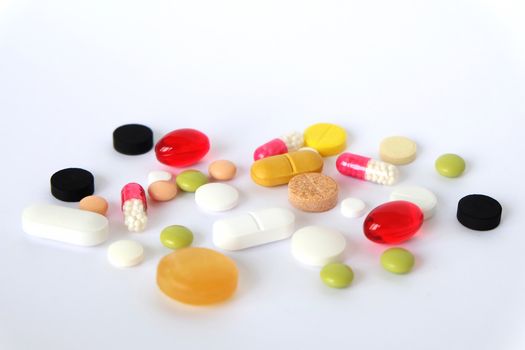
1. Pain Relievers and Fever Reducers Acetaminophen (paracetamol), ibuprofen, and aspirin are widely available as OTC pain and fever medications. These drugs are among the most purchased online, with acetaminophen alone used by over 50 million Americans each week. 2. Cold, Flu, and Allergy Remedies Many decongestants, antihistamines (like loratadine and cetirizine), and cough suppressants can be bought online without a prescription. Note, however, that some products containing pseudoephedrine may be restricted due to potential misuse. 3. Gastrointestinal Medications Antacids (such as calcium carbonate), anti-diarrheals (like loperamide), and laxatives are commonly purchased for digestive issues. These products are generally considered low-risk when used as directed. 4. Skin Treatments Topical creams for acne (benzoyl peroxide), antifungal treatments, and some hydrocortisone creams are available without prescription. For example, over 20% of skincare purchases online involve OTC treatments. 5. Travel and First Aid Essentials Motion sickness tablets, oral rehydration salts, and first aid supplies like antiseptic creams and bandages can be sourced online with no prescription necessary. 6. Vitamins, Supplements, and Herbal Remedies While not classified as medications in most regions, dietary supplements and herbal products are top sellers online. In 2023, the global supplement market via online pharmacies exceeded $20 billion.Legal and Safety Considerations When Buying OTC Medications Online
While buying OTC drugs online offers convenience, consumers should be aware of important legal and safety issues:
Regulation Differences Each country maintains its own list of what qualifies as an OTC medication. For example, codeine-based painkillers are prescription-only in the United States but may be available OTC in some other countries. Always check both your local regulations and those of the online pharmacy’s country of origin.
Risks of Counterfeit Products The World Health Organization estimates that 1 in 10 medical products in low- and middle-income countries is substandard or falsified. Always choose licensed online pharmacies and look for accreditation seals (such as NABP in the U.S. or EU’s common logo).
Personal Health Risks Even OTC medications can interact with prescription drugs or underlying conditions. For instance, NSAIDs like ibuprofen can cause stomach bleeding or worsen high blood pressure. Always use as directed and consult a healthcare provider if unsure.
Comparison Table: Popular OTC Medications and Their Uses
To help you quickly identify what you can buy without a prescription and for what purpose, here’s a comparison table of common OTC medications available online:
| Medication | Category | Common Use | Age Restrictions | Key Safety Notes |
|---|---|---|---|---|
| Acetaminophen (Paracetamol) | Pain Relief | Headache, fever, mild pain | Infants and up (dose varies) | Risk of liver damage if overdosed |
| Ibuprofen | Pain Relief | Inflammation, muscle aches | 6 months and up | Stomach/bleeding risk, avoid in ulcers |
| Loratadine | Allergy | Hay fever, hives | 2 years and up | Non-drowsy antihistamine |
| Loperamide | Digestive | Diarrhea | 12 years and up | Not for infectious diarrhea |
| Benzoyl Peroxide | Dermatology | Acne | 12 years and up (typical) | May cause skin irritation |
| Meclizine | Travel | Motion sickness | 12 years and up | May cause drowsiness |
International Differences: What’s Available Where?
One of the more confusing aspects of buying OTC medications online is that rules change from country to country. Here are a few key examples:
- In the United States, pseudoephedrine is available OTC but requires ID and a purchase log due to its use in illicit drug manufacturing. - In the UK, low-dose codeine combination products can be bought OTC, though quantities are limited. - In Germany, ibuprofen up to 400 mg is OTC, but higher doses require a prescription. - In Australia, many cold medicines are strictly pharmacist-only or prescription-only due to misuse concerns.If you’re ordering from an international online pharmacy, always verify that the product is legal to import and use in your country. Customs authorities may confiscate medications that don’t comply with local regulations, and it’s possible to face fines or other penalties.
How to Choose a Safe and Reliable Online Pharmacy for OTC Medications
With thousands of online pharmacies in operation, making the right choice is crucial for your health and safety. Here’s what to look out for:
Accreditation and Licensing Look for pharmacies certified by recognized authorities, such as the National Association of Boards of Pharmacy (NABP) or the European Union’s common logo scheme. These certifications indicate that the pharmacy meets safety and legal standards.
Clear Contact Information A legitimate online pharmacy will provide a physical address, phone number, and customer service details. Avoid sites that only offer email contact or no contact information at all.
Transparent Product Information Trustworthy pharmacies provide detailed product descriptions, including active ingredients, dosing instructions, and potential side effects. This helps you make informed decisions.
Secure Payment and Privacy Ensure the website uses encrypted payment methods and has a clear privacy policy. Your health information should be kept confidential.
User Reviews and Third-Party Ratings Check for independent reviews or ratings from reputable sources. Excessively positive reviews on the pharmacy’s own site may be a red flag.
Final Thoughts on Buying Non-Prescription Medications from Online Pharmacies
The ability to purchase medications without a prescription from online pharmacies offers unprecedented convenience and choice. Whether you need quick relief for a headache, allergy support, or travel essentials, many safe and effective OTC products are just a click away. However, it’s vital to stay informed about legal, safety, and quality considerations to avoid counterfeit or unsafe products. By choosing reputable online pharmacies and understanding your country’s regulations, you can confidently manage many minor health issues from the comfort of your home.