The global pharmaceutical market is worth more than $1.4 trillion annually, and with such high stakes, it’s no surprise that counterfeit drugs pose a persistent and dangerous threat. The World Health Organization (WHO) estimates that 1 in 10 medical products in low- and middle-income countries is substandard or falsified. Counterfeit drugs can be found everywhere—from street vendors to online pharmacies, and even infiltrating regulated supply chains. These fake medications not only fail to treat the conditions they claim to address but can also cause severe harm or even death.
Understanding the signs of counterfeit drugs and knowing how to avoid them is crucial for anyone who relies on medication. This article will help you recognize red flags, understand the risks, and take proactive steps to protect your health and your loved ones.
Recognizing the Signs of Counterfeit Drugs
Spotting fake medications is not always straightforward. Counterfeiters have become increasingly sophisticated, making their products look nearly identical to the real thing. However, there are several warning signs that can help you identify suspect medicines:
.png) 1. $1: Legitimate pharmaceutical companies invest heavily in high-quality packaging. Be wary of poor print quality, misspelled words, unfamiliar logos, or packaging that looks different from what you’re used to. If the box or blister pack is faded, has broken seals, or appears tampered with, this is a major red flag.
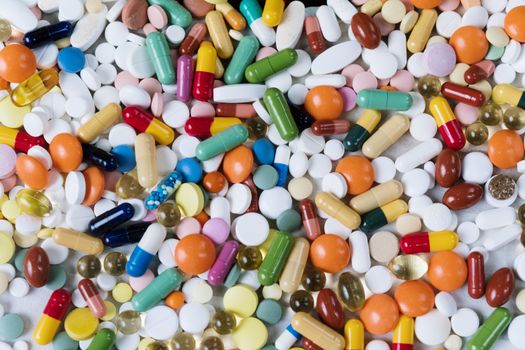
2. $1: Genuine tablets and capsules are uniform in color, size, and shape. Counterfeits may have inconsistent coloring, odd shapes, or different markings. A strange taste or odor can also indicate a problem, as reputable manufacturers strictly control these factors.
3. $1: Authentic medicines always list the manufacturer’s name, batch number, expiry date, and lot number. If this information is missing, smudged, or doesn’t match the information on the pharmacy’s records, be cautious.
4. $1: If you experience side effects that are not listed in the official medication leaflet, or if your symptoms worsen despite taking the medication as prescribed, it could be a sign of counterfeit drugs.
5. $1: While everyone likes a bargain, extremely low prices can be a telltale sign. If a medication is significantly cheaper than usual, especially from online or unregulated sources, question its authenticity.
1. $1: Legitimate pharmaceutical companies invest heavily in high-quality packaging. Be wary of poor print quality, misspelled words, unfamiliar logos, or packaging that looks different from what you’re used to. If the box or blister pack is faded, has broken seals, or appears tampered with, this is a major red flag.
2. $1: Genuine tablets and capsules are uniform in color, size, and shape. Counterfeits may have inconsistent coloring, odd shapes, or different markings. A strange taste or odor can also indicate a problem, as reputable manufacturers strictly control these factors.
3. $1: Authentic medicines always list the manufacturer’s name, batch number, expiry date, and lot number. If this information is missing, smudged, or doesn’t match the information on the pharmacy’s records, be cautious.
4. $1: If you experience side effects that are not listed in the official medication leaflet, or if your symptoms worsen despite taking the medication as prescribed, it could be a sign of counterfeit drugs.
5. $1: While everyone likes a bargain, extremely low prices can be a telltale sign. If a medication is significantly cheaper than usual, especially from online or unregulated sources, question its authenticity.
Why Counterfeit Drugs Are So Dangerous
The risks associated with counterfeit drugs go far beyond wasted money. The consequences can be life-threatening. Here are some sobering statistics and facts:
- The WHO reports that up to 72,000 child deaths from pneumonia and 116,000 malaria deaths each year in sub-Saharan Africa are linked to counterfeit medications. - In 2019, the U.S. Food and Drug Administration (FDA) seized over $2.3 billion worth of counterfeit pharmaceuticals. - Counterfeit drugs may contain the wrong ingredients, incorrect dosages, no active ingredient, or harmful substances such as heavy metals, rat poison, or even toxic solvents.These dangers underscore why it’s so important to be vigilant. Fake drugs may look convincing, but their effects can be devastating, including failed treatments, toxic reactions, and the spread of drug-resistant infections.
Key Differences Between Genuine and Counterfeit Drugs
To help you better understand the distinctions between authentic and fake medications, here is a comparison table highlighting some of the most common differences:
| Feature | Genuine Drug | Counterfeit Drug |
|---|---|---|
| Packaging Quality | Consistent, high-quality, tamper-evident | Poor print, spelling errors, damaged or altered seals |
| Pill Appearance | Uniform color, shape, markings | Irregular color, faded, different markings |
| Information Provided | Complete manufacturer details, lot and batch numbers | Missing or mismatched information |
| Source | Licensed pharmacy, doctor’s prescription | Street market, unverified online seller |
| Price | Consistent with market rates | Suspiciously cheap |
| Effectiveness | Works as expected, side effects as listed | Ineffective or unexpected side effects |
The Role of Online Pharmacies in the Spread of Counterfeit Drugs
The rise of online pharmacies has revolutionized access to medication, but it has also opened new avenues for counterfeiters. According to the National Association of Boards of Pharmacy (NABP), as of 2023, 95% of online pharmacies operate illegally or are out of compliance with pharmacy laws.
Many fake online pharmacies look legitimate, using convincing names, professional-looking websites, and even fake regulatory seals. These sites often:
- Offer prescription drugs without requiring a prescription. - List medications at prices well below market value. - Lack physical address or contact information.In one high-profile case in 2018, Interpol’s Operation Pangea XI resulted in the closure of over 3,600 illegal online pharmacies worldwide. This operation also seized more than 10 million illicit medications. The sheer scale of these numbers highlights the importance of vigilance when buying drugs online.
Practical Steps to Avoid Counterfeit Drugs
Knowing how to spot counterfeit drugs is half the battle. Here are actionable strategies to reduce your risk:
1. $1: Always use licensed, reputable pharmacies—whether brick-and-mortar or online. Look for national pharmacy accreditation or certification seals such as VIPPS (Verified Internet Pharmacy Practice Sites) in the U.S. 2. $1: Legitimate pharmacies will require a valid prescription from a licensed healthcare provider for prescription medications. If a website offers to sell prescription drugs without one, avoid it. 3. $1: Before taking a new medication, inspect the packaging and the drug itself for any inconsistencies. Compare them to previous batches or reference images provided by the manufacturer’s website. 4. $1: If you suspect a drug is counterfeit, do not use it. Report your concerns to your pharmacist, healthcare provider, or a national regulatory authority. In the U.S., you can report to the FDA’s MedWatch program. 5. $1: Stay informed about new scams or counterfeit drug alerts in your area. Share this information with family and friends, especially those who may be vulnerable, such as the elderly or those with chronic illnesses.How Technology is Helping Combat Counterfeit Drugs
Innovative solutions are being developed to tackle the counterfeit drug epidemic. Here are some of the most promising technological advancements:
- $1: Many countries now require each drug package to carry a unique serial number, which can be tracked throughout the supply chain. In the European Union, the Falsified Medicines Directive (FMD) has mandated such systems since 2019. - $1: Some pharmaceutical companies offer apps that allow consumers to scan a QR code or barcode on drug packaging and instantly verify its authenticity. - $1: This secure, decentralized ledger system is being piloted to record every transaction and movement of pharmaceutical products, making it nearly impossible for counterfeit drugs to enter the supply chain undetected.These tools are not foolproof, but they mark significant progress in the global fight against counterfeit medicines.
Staying Safe: The Importance of Consumer Awareness
Ultimately, consumer awareness is the first line of defense against counterfeit drugs. While regulatory agencies and technological innovations are critical, your vigilance is equally important. Being proactive—asking questions, inspecting your medications, and buying only from trusted sources—can save lives.
Here are a few powerful statistics to keep in mind: - The Pharmaceutical Security Institute (PSI) recorded over 5,000 incidents of pharmaceutical crime in 2022 alone. - In high-income countries, less than 1% of medicines are estimated to be counterfeit. In contrast, in parts of Asia, Africa, and Latin America, this figure can reach 30%.Vigilance, combined with informed choices, can make all the difference in ensuring the medication you take is safe and effective.