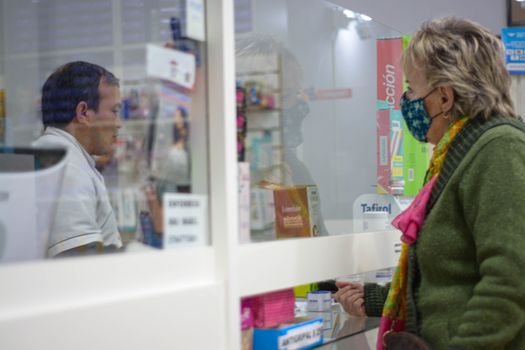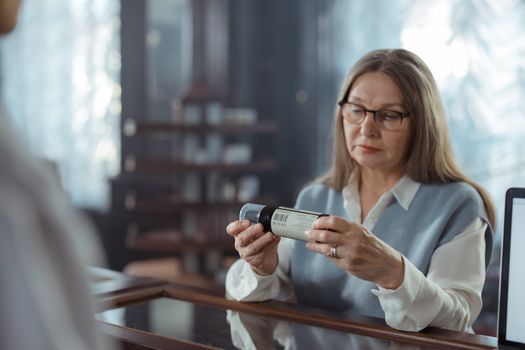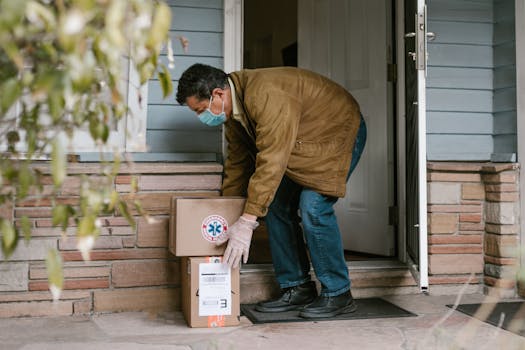
Ordering medications online has become increasingly popular, especially with the convenience and often lower prices compared to traditional brick-and-mortar pharmacies. According to a 2023 study by the Pew Research Center, over 37% of adults in the United States have purchased medications online at least once. However, as online pharmacy usage grows, so too do the potential pitfalls. Many consumers unknowingly make mistakes that can jeopardize their health, finances, or privacy. This article explores the most common errors people make when ordering medications online and practical strategies for avoiding them, ensuring that your online pharmacy experience is safe, effective, and stress-free.
The Hidden Dangers of Unverified Online Pharmacies
One of the gravest mistakes people make is purchasing medications from unverified or rogue online pharmacies. The U.S. Food and Drug Administration (FDA) estimates that 97% of online pharmacies are not in compliance with U.S. pharmacy laws and safety standards. These unregulated websites may sell counterfeit, expired, or even dangerous substances, putting your health at serious risk.
A 2022 World Health Organization report highlighted that one in ten medical products in low- and middle-income countries is substandard or falsified. Even in developed countries, the risk remains high when turning to unverified sources. Rogue pharmacies often lack proper licensing, do not require valid prescriptions, and may operate from countries with poor regulatory oversight.
.png) How to Avoid:
- Always verify the pharmacy’s credentials. Look for certification from organizations like the National Association of Boards of Pharmacy (NABP) or the LegitScript seal.
- Check the pharmacy’s physical address and contact information. Reputable pharmacies are transparent about their location.
- Avoid sites offering prescription drugs without requiring a prescription, as this is a major red flag.
How to Avoid:
- Always verify the pharmacy’s credentials. Look for certification from organizations like the National Association of Boards of Pharmacy (NABP) or the LegitScript seal.
- Check the pharmacy’s physical address and contact information. Reputable pharmacies are transparent about their location.
- Avoid sites offering prescription drugs without requiring a prescription, as this is a major red flag.
Misunderstanding Medication Origins and Manufacturing Standards
Another common mistake is not researching where medications come from and the standards by which they are manufactured. While it’s true that many legitimate medications are produced overseas, there is a significant difference between certified manufacturers and those operating outside regulatory frameworks.
For example, a 2021 survey by the National Consumers League found that 32% of online pharmacy customers could not identify where their medications were sourced. This lack of transparency can lead to exposure to drugs with inconsistent dosages, harmful contaminants, or improper storage conditions.
How to Avoid: - Ask the pharmacy where the medication is manufactured and how it is sourced. - Check for approval from recognized regulatory agencies such as the FDA, the European Medicines Agency (EMA), or Health Canada. - Review the packaging and labeling upon arrival; genuine medications will have clear, professional labeling in your language.Overlooking Data Security and Privacy Risks
Ordering medications online requires sharing sensitive personal and financial information. Unfortunately, many consumers do not consider the security measures in place at online pharmacies, exposing themselves to data breaches, identity theft, and financial fraud.
According to Cybersecurity Ventures, healthcare data breaches increased by 25% in 2022, with online pharmacies being a growing target. Criminals can exploit weakly protected websites to gain access to names, addresses, prescription histories, and credit card details.
How to Avoid: - Ensure the website uses SSL encryption (look for “https” and a padlock symbol in the browser address bar). - Read the pharmacy’s privacy policy to understand how your data will be used and protected. - Avoid saving payment or personal information on sites you do not trust.Confusing Generic and Brand-Name Medications
Many online pharmacy shoppers are attracted by the significantly lower prices of generic medications. While generics are generally safe and effective, confusion arises when consumers do not fully understand the differences between generics, brand-name medications, and dubious lookalikes.
A 2023 survey by Consumer Reports found that 18% of people who ordered medications online did not realize they were buying generics rather than brand-name drugs. Worse, some illegitimate sites may sell knockoff drugs that look like generics but lack efficacy.
How to Avoid: - Learn the active ingredient name of your medication and verify it matches what you’re ordering. - Understand that legitimate generics must meet the same FDA standards for safety, strength, and quality as brand-name drugs. - If unsure, consult your healthcare provider or pharmacist before purchasing.Neglecting Local Laws, Import Restrictions, and Customs Regulations
A less obvious, but equally critical, mistake is failing to check local laws and import restrictions before ordering medications from international pharmacies. Some medications that are legal in one country may be restricted or even illegal in another.
For instance, a 2020 report by the International Pharmaceutical Federation noted that 22% of consumers had their medications confiscated at customs, often losing both the drugs and their money. In some cases, individuals have faced legal consequences for importing controlled substances without the proper documentation.
How to Avoid: - Research your country’s regulations regarding the importation of prescription and over-the-counter medications. - Opt for pharmacies that are transparent about shipping policies and provide tracking information. - Retain copies of your prescriptions and any correspondence with the pharmacy in case you need to provide proof to customs officials.Comparison Table: Safe vs. Risky Online Pharmacy Practices
To further clarify the distinctions between safe and risky behaviors when ordering medications online, consider the following comparison table:
| Practice | Safe Approach | Risky Approach |
|---|---|---|
| Pharmacy Verification | Uses NABP, LegitScript, or similar verification | No verification, unclear credentials |
| Prescription Requirement | Requires a valid prescription from your doctor | Sells prescription drugs without a prescription |
| Data Security | SSL-encrypted website, clear privacy policy | No encryption, vague or missing privacy policy |
| Medication Source | Clearly states manufacturer and country of origin | Unclear or undisclosed sourcing information |
| Customer Support | Accessible, knowledgeable, and responsive staff | No real customer support or contact info |
| Legal Compliance | Complies with local import and pharmacy laws | Ignores or disregards legal requirements |
Why Consulting Your Healthcare Provider Still Matters
A frequently overlooked safeguard in online medication ordering is ongoing communication with your healthcare provider. Some individuals self-diagnose and order drugs without professional advice, increasing the risk of drug interactions, incorrect dosages, or treating the wrong condition.
A study published in JAMA Internal Medicine found that 27% of patients who purchased medications online did not discuss their decision with their doctor. Such gaps in communication can lead to serious health complications, especially for those with chronic conditions or taking multiple medications.
How to Avoid: - Always consult your physician before starting, stopping, or changing any medication regimen. - Ask your healthcare provider for recommendations on safe online pharmacies. - Inform your provider of all medications and supplements you are taking, including those ordered online.Final Thoughts: Making Smart Choices When Ordering Medications Online
Ordering medications online can offer significant convenience, privacy, and potential cost savings. However, it is crucial to approach this process with vigilance and knowledge. By steering clear of unverified pharmacies, understanding medication origins, safeguarding your data, respecting legal boundaries, and staying in contact with your healthcare provider, you can reap the benefits of online pharmacies while minimizing risks.
Remember, your health and safety are worth the extra effort. Take the time to verify sources, educate yourself on best practices, and consult professionals when in doubt. Doing so not only protects you but also helps build a safer, more trustworthy online pharmacy ecosystem for everyone.