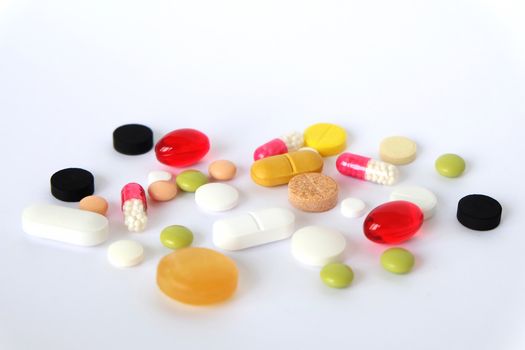
Millions of people turn to the internet for convenience, privacy, and potentially lower prices when purchasing pain medications. Whether dealing with a pulled muscle, chronic arthritis, or recurring migraines, the lure of quick online access to pain relief is undeniable. But which pain medications can you truly and safely buy online? And how should you use them for maximum effectiveness and minimal risk? In this comprehensive guide, we explore the types of pain medications available online, legal and safety considerations, correct usage guidelines, and how to distinguish between what’s safe and what’s not.
The Landscape of Online Pain Medication Purchases
Pain medications are among the most commonly sought-after drugs online. In 2023, a survey by the National Association of Boards of Pharmacy (NABP) found that over 38% of adults in the United States had considered buying prescription or over-the-counter (OTC) pain relievers online. The reasons ranged from avoiding in-person pharmacy visits to managing chronic conditions discreetly.
Generally, online pain medications can be divided into two major categories:
.png) - Over-the-counter (OTC) pain relievers
- Prescription pain medications
- Over-the-counter (OTC) pain relievers
- Prescription pain medications
Each category comes with its own set of regulations, risks, and usage guidelines. It's crucial to understand these distinctions before clicking “add to cart.”
OTC Pain Medications: What’s Available and How to Use Them
The majority of pain medications that you can purchase online without a prescription fall into the OTC category. These include:
- Acetaminophen (Tylenol) - Nonsteroidal anti-inflammatory drugs (NSAIDs) such as ibuprofen (Advil, Motrin), naproxen (Aleve), and aspirinThese medications are widely available from reputable online pharmacies, large retailers, and even grocery store websites. According to the Consumer Healthcare Products Association, Americans bought over 29 billion doses of OTC pain relievers in 2022—many via online purchases.
Correct usage is essential to maximize benefits and avoid risks:
- $1 Effective for headaches, mild arthritis, and fever. Maximum daily dose: 3,000-4,000 mg for adults. Overdosing can cause severe liver damage. - $1 Ideal for muscle pain, menstrual cramps, or inflammation. Take with food to avoid stomach upset. Long-term/high-dose use can cause gastrointestinal bleeding or kidney issues. - $1 Often used for headaches or minor aches. Also prescribed for heart protection. Not recommended for children under 16 due to risk of Reye’s syndrome.Always follow dosage instructions on the package, and consult a healthcare professional if you have underlying medical conditions or take other medications.
Prescription Pain Medications: Accessibility and Regulation Online
Prescription painkillers—such as tramadol, codeine, hydrocodone, and oxycodone—are tightly regulated due to their potential for abuse and serious side effects. In the United States, it’s illegal to sell or buy these medications online without a valid prescription from a licensed healthcare provider.
However, telemedicine has changed the landscape. Many reputable online pharmacies now offer telehealth consultations, allowing patients to receive a legitimate prescription after a virtual doctor’s visit. These services are strictly regulated and require identity verification and medical history checks.
Common prescription pain medications available through legitimate online channels include:
- $1 Used for moderate pain; less addictive than stronger opioids but still requires caution. - $1 Prescribed for mild to moderate pain; often combined with acetaminophen. - $1 Strong opioids reserved for severe pain, usually after surgery or injury.Illegal online sources that sell prescription painkillers without a prescription are not only breaking the law but also endangering consumers with counterfeit or contaminated drugs. According to the FDA, over 95% of online pharmacies are not in compliance with U.S. pharmacy laws.
Comparing Pain Medications: OTC vs. Prescription Options
Choosing the right pain medication depends on the type and severity of pain, your medical history, and safety concerns. Here’s a comparison table summarizing common options:
| Medication | Type | Common Uses | Online Availability | Key Risks |
|---|---|---|---|---|
| Acetaminophen | OTC | Headaches, mild arthritis, fever | Widely available | Liver toxicity (high doses) |
| Ibuprofen | OTC | Muscle pain, inflammation, menstrual cramps | Widely available | Stomach, kidney issues (long-term/high dose) |
| Aspirin | OTC | Minor aches, headache, heart protection | Widely available | Stomach bleeding, Reye’s syndrome (children) |
| Tramadol | Prescription | Moderate pain | With valid prescription | Dependency, nausea, dizziness |
| Hydrocodone/Oxycodone | Prescription | Severe pain | With valid prescription | High risk of addiction, respiratory depression |
How to Ensure Safe Online Purchases of Pain Medications
Safety is a top concern when purchasing pain medications online. The World Health Organization estimates that 1 in 10 medical products in low- and middle-income countries is substandard or falsified, and online pharmacies are a major source.
Here’s how to stay safe:
1. $1 Use websites verified by the National Association of Boards of Pharmacy (NABP) or those carrying the ".pharmacy" domain. 2. $1 Legitimate online pharmacies always require a prescription for controlled substances. 3. $1 Reputable sites offer access to pharmacists for consultations and questions. 4. $1 Trustworthy pharmacies provide a physical address and phone number. 5. $1 Avoid sites that offer prescription drugs without a prescription, have suspiciously low prices, or lack secure payment options.In 2022, the FDA shut down over 6,000 illegal online pharmacy websites, many selling counterfeit or unsafe pain medications.
Tips for Correctly Using Pain Medications Bought Online
Correct use of pain medications is essential for both efficacy and safety. Here are guidelines to follow:
- $1 Always read the patient information leaflet included with your medication. - $1 Never take expired medications; efficacy and safety may be compromised. - $1 Keep medicines in original packaging and store as directed (typically in a cool, dry place). - $1 Do not mix painkillers (e.g., ibuprofen and naproxen) unless specifically advised by a healthcare provider. - $1 Report any unusual symptoms (rash, shortness of breath, confusion) to your doctor immediately. - $1 Don’t flush leftover medications; use local take-back programs or follow FDA disposal guidelines.A 2023 CDC report found that 16% of accidental drug overdoses involved combinations of OTC and prescription painkillers, underscoring the importance of careful use.
Legal and Ethical Considerations for Online Pain Medication Purchases
Purchasing pain medications online is legal when done through proper channels, but crossing legal boundaries—intentionally or not—can have serious consequences. Importing prescription painkillers without a prescription, or from countries with lax regulations, can result in confiscation, fines, or even prosecution.
Ethically, it’s important to:
- Use medications strictly as prescribed or recommended - Never share prescription painkillers with others - Dispose of unused medication safely to avoid misuseThe U.S. Drug Enforcement Administration (DEA) runs National Prescription Drug Take Back Day twice a year, collecting over 450 tons of unused medications in 2023 alone.
Final Thoughts on Buying and Using Pain Medications Online
The ability to purchase pain medications online has revolutionized access to care, especially for those with mobility challenges, chronic pain, or tight schedules. However, this convenience carries responsibility. By understanding which medications are safely and legally available online, following correct usage guidelines, and recognizing the importance of buying from reputable sources, consumers can manage pain effectively while minimizing risk.
Always consult with a healthcare professional before starting any new pain medication, and remember: your health and safety come first.