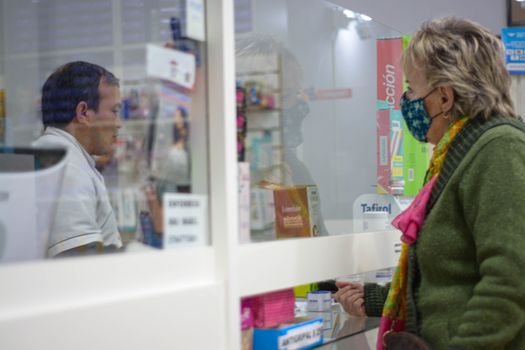
Online pharmacies are transforming the healthcare landscape around the globe, but perhaps their most profound impact is being felt in rural communities. For decades, people living in remote areas have faced significant barriers to accessing medications and essential health services. With the rise of digital health platforms, these obstacles are slowly but surely being dismantled. This article explores how online pharmacies are revolutionizing healthcare delivery in rural regions, highlighting the unique challenges these communities face, the advantages digital services bring, and the broader implications for public health and local economies.
The Challenge of Healthcare Access in Rural Communities
Rural populations, representing nearly 19% of the United States and over 40% of the global population, have long struggled with healthcare access. According to the National Rural Health Association, rural Americans are more likely to experience chronic health conditions, yet they often live miles away from the nearest healthcare facility. In India, over 65% of the population resides in rural areas, where doctor-patient ratios can be as high as 1:10,000, compared to the World Health Organization's recommended ratio of 1:1,000.
Several factors contribute to these healthcare disparities:
- $1 Many rural areas have no local pharmacy. A 2018 study found that over 1,200 rural U.S. communities lost their only retail pharmacy between 2003 and 2018, leaving residents with limited access to prescription medications. - $1 Residents often have to travel long distances—sometimes over 20 miles—to reach the nearest pharmacy or clinic. In extreme weather or for those without reliable transportation, this can be prohibitive. - $1 Rural pharmacies, when present, may not stock specialized or less common medications due to lower demand and higher supply costs. - $1 A lack of pharmacists and healthcare professionals further limits timely access to prescriptions and medical advice.These challenges contribute to medication nonadherence, increased hospitalizations, and poorer health outcomes. This is where online pharmacies are stepping in to bridge the gap.
.png)
How Online Pharmacies Are Reaching Rural Patients
Online pharmacies harness technology to connect patients in rural areas with essential pharmaceuticals, regardless of their physical location. The process is straightforward: patients upload their prescriptions online, consult with licensed pharmacists through telehealth platforms if needed, and receive their medications delivered to their doorstep.
Key features of online pharmacies benefiting rural areas include:
- $1 Top online pharmacies offer shipping to nearly every ZIP code, including remote and hard-to-reach areas. - $1 Unlike brick-and-mortar stores, online pharmacies are always open, enabling patients to order refills and make inquiries at their convenience. - $1 Online platforms can stock a wider variety of medications, including specialty drugs that small-town pharmacies may not carry. - $1 Virtual consultations with pharmacists help patients understand their medication regimens, reducing errors and improving adherence.A 2022 report by the University of Minnesota found that nearly 30% of rural residents have used an online pharmacy in the past year, up from just 10% five years prior. The COVID-19 pandemic accelerated this trend, with online pharmacy usage rising by over 40% in rural areas during 2020 alone.
Comparing Access: Traditional vs. Online Pharmacies in Rural Areas
The table below highlights the key differences between accessing medications through traditional rural pharmacies versus online pharmacies:
| Feature | Traditional Rural Pharmacy | Online Pharmacy |
|---|---|---|
| Medication Availability | Limited, may lack specialty drugs | Wide selection, including specialty meds |
| Operating Hours | Restricted (often 8-12 hours/day) | 24/7 online ordering |
| Travel Required | Yes, often 10-20+ miles | No, home delivery available |
| Pharmacist Consultation | In-person, limited hours | Telepharmacy, flexible hours |
| Wait Time for Refills | Possible delays if out-of-stock | Automated reminders, on-time delivery |
This comparative overview underscores how online pharmacies address the limitations of traditional rural pharmacies, making them a vital resource for remote communities.
Improving Medication Adherence and Health Outcomes
Medication adherence is a critical component of effective healthcare. According to the Centers for Disease Control and Prevention (CDC), approximately 20-30% of new prescriptions are never filled, and up to 50% of medications for chronic diseases are not taken as prescribed. In rural regions, these rates can be even higher due to the barriers discussed earlier.
Online pharmacies help improve adherence in several ways:
- $1 Many platforms offer text or email notifications when it's time to refill, minimizing missed doses. - $1 Direct delivery eliminates transportation hurdles, making it easier for patients to stay on track. - $1 Online pharmacies can coordinate refills so all medications arrive simultaneously, reducing confusion and trips to the pharmacy. - $1 Telepharmacy services provide medication counseling, helping patients understand the importance of their treatment and how to manage side effects.A study published in the Journal of Medical Internet Research showed that online pharmacy users in rural Canada were 18% more likely to adhere to long-term medication regimens than those relying solely on local pharmacies. Improved adherence translates into better disease management, fewer hospitalizations, and lower healthcare costs.
Economic and Social Impacts on Rural Communities
The arrival of online pharmacies does not just benefit individual patients—it also has broader economic and social implications for rural communities:
- $1 By improving medication adherence and minimizing preventable complications, online pharmacies contribute to lower healthcare expenditures. A 2021 RAND Corporation analysis estimated that improved access to medications could save rural healthcare systems up to $4 billion annually in the U.S. alone. - $1 Home delivery of medications saves hours of travel and waiting time, allowing rural residents to focus on work, family, or farming activities. - $1 Rural populations tend to be older; for seniors with mobility issues, online pharmacies are often the only feasible way to receive regular medications. - $1 Some online pharmacies partner with local couriers and telehealth providers, creating new job opportunities and supporting the rural digital economy. - $1 By ensuring equitable access to essential medicines, online pharmacies help narrow the health gap between urban and rural residents.Addressing Concerns: Quality, Safety, and Trust
Despite the clear benefits, rural patients may have concerns about online pharmacies, particularly regarding medication authenticity, privacy, and the reliability of delivery services. Addressing these issues is crucial for building trust:
- $1 Reputable online pharmacies are licensed and regulated, often certified by organizations like the National Association of Boards of Pharmacy (NABP) in the U.S. or the Pharmacy Council of India. Look for the "VIPPS" (Verified Internet Pharmacy Practice Sites) seal or local equivalents. - $1 Most platforms require valid prescriptions and use encrypted systems to protect patient data. - $1 Online pharmacies often display medication prices and insurance coverage options, helping patients make informed choices. - $1 Partnerships with national postal services and private couriers ensure timely and trackable deliveries, even in the most remote regions.Educating rural communities about how to identify legitimate online pharmacies and avoid scams is an essential part of the digital health revolution.
The Future of Online Pharmacies in Rural Healthcare
The momentum behind online pharmacies is expected to accelerate as more rural residents gain internet access and digital literacy. According to the International Telecommunication Union, global rural internet penetration surpassed 38% in 2023, up from just 10% in 2010. National governments and NGOs are investing in rural broadband expansion, further paving the way for digital health services.
Future trends likely to impact rural healthcare include:
- $1 Online pharmacies will increasingly work alongside virtual clinics, enabling seamless doctor consultations, prescription issuance, and medication delivery. - $1 Advances in data analytics will help tailor medication regimens to individual patient needs, supported by online monitoring and automated refills. - $1 Smartphone adoption in rural areas is rising, making mobile apps a key channel for medication management, refill reminders, and health education. - $1 Online pharmacies may sponsor local health fairs, immunization drives, and educational campaigns to build relationships in rural areas.By continuing to innovate and address local needs, online pharmacies have the potential to become a cornerstone of rural healthcare, improving lives and reducing inequities for millions worldwide.