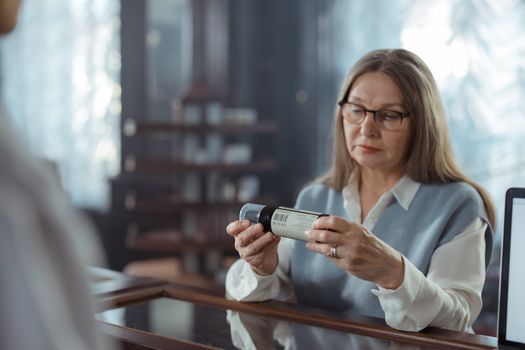
The allure of buying medications online has grown exponentially over the past decade. Driven by convenience, competitive pricing, and a wider selection, more people than ever are turning to the internet for their pharmaceutical needs. In fact, according to the World Health Organization (WHO), over 50% of internet users have searched for health-related information or medications online at least once. But beneath the surface of this digital pharmacy revolution lies a host of risks that can have serious health and legal consequences. Understanding these dangers is essential for anyone considering purchasing drugs online.
The Hidden Dangers of Counterfeit Medications
One of the most pressing risks when buying drugs online is the prevalence of counterfeit medications. The WHO estimates that 1 in 10 medical products in low- and middle-income countries is substandard or falsified, and the internet is a major distribution channel for these dangerous products. Unlike medications obtained from licensed pharmacies, drugs sold on unregulated websites may contain incorrect ingredients, too much or too little of the active substance, or even toxic contaminants.
For example, a 2017 study published in the American Journal of Tropical Medicine and Hygiene found that 36% of antimalarial drugs purchased online were counterfeit. These fake medicines can result in treatment failure, worsening of disease, and even death. The risks are not limited to developing countries—developed nations like the United States and countries in Europe have also reported incidents of counterfeit medications entering their markets via online sales.
.png)
Legal Risks: Navigating a Regulatory Minefield
When buying drugs online, legal risks are often overlooked. Many consumers are unaware that purchasing prescription medications without a valid prescription, or from an unlicensed source, is illegal in most countries. The U.S. Food and Drug Administration (FDA) and the European Medicines Agency (EMA) both have strict regulations that prohibit the importation of prescription drugs from foreign countries, except under very limited circumstances.
In 2022, the FDA reported intercepting over 50,000 packages of illegal drugs at international mail facilities in just one month. Many of these packages contained prescription medications purchased online. Consumers who buy these drugs not only risk having their orders seized, but could also face fines or criminal charges. In addition, there is little legal recourse if something goes wrong—purchasing from an unlicensed source means there is no guarantee of quality, safety, or even receipt of the product.
Personal Data and Privacy Concerns
Online pharmacies require customers to provide sensitive information, including names, addresses, medical histories, and payment details. When dealing with legitimate, licensed pharmacies, this data is protected by privacy regulations such as HIPAA in the United States or GDPR in Europe. However, many online drug sellers operate outside the bounds of the law and lack robust cybersecurity measures.
According to a 2023 report by cybersecurity firm Norton, healthcare data breaches increased by 42% compared to the previous year, and online pharmacies were a significant target. Criminals can use stolen data for identity theft, financial fraud, or even blackmail. A notorious example occurred in 2021, when a major online pharmacy platform in Asia suffered a breach that exposed the personal records of over 1.6 million customers. This incident underscores the importance of vetting online pharmacies for proper data protection protocols.
Health Risks from Lack of Professional Oversight
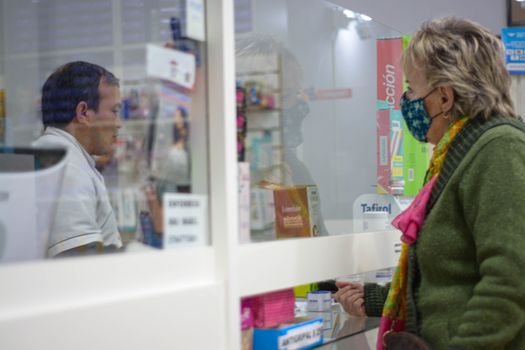
The absence of professional guidance is another major risk when purchasing medications online. In traditional pharmacy settings, pharmacists check for drug interactions, contraindications, and proper dosing. Online, especially with rogue pharmacies, these safeguards often disappear. This can result in dangerous drug interactions, allergic reactions, or improper use of medications.
For instance, a 2019 survey by the National Association of Boards of Pharmacy (NABP) found that only 4% of online pharmacies reviewed were in compliance with pharmacy laws and practice standards. Many sites dispensed prescription medications without requiring a valid prescription or professional consultation. This lack of oversight is particularly risky for individuals with chronic conditions, multiple prescriptions, or those who are not medically literate.
Comparing Legitimate vs. Rogue Online Pharmacies
To better understand the risks, it’s helpful to compare the key characteristics of legitimate and rogue online pharmacies. Below is a table summarizing the main differences:
| Feature | Legitimate Online Pharmacy | Rogue Online Pharmacy |
|---|---|---|
| License & Accreditation | Licensed by national authorities; often display certification seals (e.g., NABP, CIPA) | Unlicensed; may use fake or unverifiable credentials |
| Prescription Requirement | Requires valid prescription from a healthcare provider | Often sells prescription drugs without any prescription |
| Product Quality | Sources FDA/EMA-approved, regulated medications | May sell counterfeit, expired, or unsafe drugs |
| Privacy & Security | Complies with privacy laws; uses secure payment | Lax or no privacy protection; vulnerable to data theft |
| Customer Support | Pharmacist available for consultation | No professional support; customer service often unresponsive |
| Legal Compliance | Operates within the law; products can be tracked and recalled | Operates illegally; no guarantees or recourse for consumers |
Financial Risks: When Bargains Turn Into Losses
Many people are drawn to online pharmacies by the promise of lower prices. While some legitimate online pharmacies do offer competitive pricing, rogue sites often lure customers with prices that seem too good to be true. Unfortunately, these deals can quickly turn into financial losses. According to the Alliance for Safe Online Pharmacies, consumers lost over $500 million globally in 2021 to fraudulent online pharmacy schemes.
Common financial pitfalls include: - Paying for drugs that never arrive - Being charged hidden fees or recurring charges - Having credit card information stolen and used for unauthorized purchasesEven when products do arrive, they may be ineffective or dangerous, resulting in wasted money and potential harm to health.
Global Impact: The Broader Consequences of Online Drug Risks
The risks associated with buying drugs online extend beyond individual consumers. Counterfeit and substandard medications contribute to public health crises, such as antibiotic resistance, by introducing ineffective treatments into the population. The proliferation of rogue online pharmacies also undermines trust in healthcare systems and diverts resources from legitimate providers.
On a global scale, the pharmaceutical industry loses an estimated $200 billion annually to counterfeit drugs, according to the Center for Medicine in the Public Interest. This not only affects industry revenue but also limits investment in research and development of new, life-saving medications.
Protecting Yourself: Red Flags and Safe Practices
Given the many dangers, it’s critical to know how to protect yourself when considering an online pharmacy. Here are some key red flags to watch for: - No prescription required for prescription drugs - Prices significantly lower than reputable competitors - Lack of clear contact information or a physical address - No pharmacist or healthcare professional available for consultation - Poor website security (no HTTPS, unsecured payment systems)To stay safe, always verify that the pharmacy is licensed and accredited by national regulatory authorities. Look for seals from organizations like the National Association of Boards of Pharmacy (NABP), the Canadian International Pharmacy Association (CIPA), or your country’s equivalent. Never purchase medications from sites that offer to ship prescription drugs internationally without a prescription—these are almost always illegal.
Key Takeaways on the Risks of Buying Drugs Online
Buying medications online can be convenient and cost-effective, but it comes with significant risks. From counterfeit drugs and legal issues to privacy breaches and financial scams, the dangers are real and can have lasting consequences for your health and well-being. By understanding these risks, you can make more informed decisions and avoid falling victim to the many pitfalls of the online pharmaceutical market.