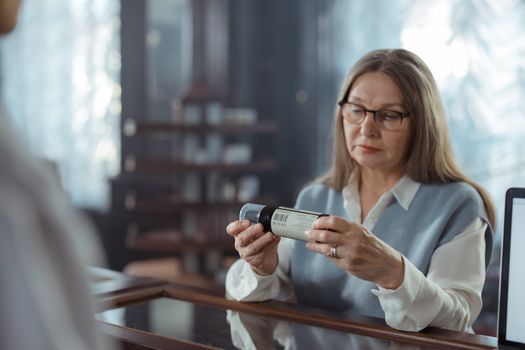
Buying natural medicines online has become increasingly popular in recent years, driven by the convenience of digital shopping and rising interest in alternative health solutions. From herbal supplements to traditional plant-based remedies, the global natural medicine market is expected to reach $234 billion by 2027, according to Grand View Research. However, while the internet offers unparalleled access to a vast selection of natural health products, this convenience also comes with potential pitfalls. In this article, we’ll explore the key advantages and disadvantages of buying natural medicines online, supported by real data and examples, so you can make informed decisions about your health.
The Rise of Online Natural Medicine Shopping
The digital age has revolutionized how we purchase everything—including our health products. According to a 2023 Statista report, 42% of U.S. adults have purchased health supplements or natural remedies online at least once. This surge is fueled by several factors:
- Global accessibility: Shoppers are no longer limited to what’s in local stores. - Greater variety: Online platforms often offer hundreds, if not thousands, of brands and formulations. - Direct-to-consumer brands: Many natural medicine companies now operate exclusively online, offering unique formulations not found in traditional brick-and-mortar stores.For example, Amazon alone lists over 65,000 natural supplement products. Specialized online retailers such as iHerb and Vitacost ship to over 150 countries, giving customers worldwide access to natural remedies.
.png)
Despite this convenience, the online marketplace for natural medicines is not without its risks and challenges. Understanding both the pros and cons is crucial before you click "buy."
Advantages of Buying Natural Medicines Online
1. $1One of the main advantages of buying natural medicines online is the sheer breadth of options available. Local pharmacies and health stores typically carry a limited selection, but online, you can access global brands, rare herbal blends, and even specialty remedies tailored for specific needs.
For example, consumers seeking Ayurvedic or Traditional Chinese Medicine (TCM) products can find authentic brands shipped directly from India or China. This global access ensures you’re not restricted by geography or local inventory.
2. $1Online retailers often offer better prices than brick-and-mortar stores due to lower overhead costs. A 2022 survey by Consumer Reports found that shoppers saved an average of 20% when buying supplements online compared to local health stores.
Bulk purchasing options, subscription discounts, and seasonal promotions also make online shopping more affordable. For instance, platforms like iHerb frequently offer 10-15% off for first-time buyers and monthly flash sales.
3. $1Online stores usually provide detailed product information, including ingredient lists, sourcing details, usage instructions, and third-party certifications. Verified buyer reviews give real-world insight into product effectiveness and safety—data you often don’t get in physical stores.
This transparency empowers consumers to compare brands, check for allergens, and assess the legitimacy of health claims. For example, the NSF International mark or USP Verified seal on a supplement indicates rigorous third-party testing.
4. $1Shopping online means you can research, compare, and purchase natural medicines from the comfort of your home, 24/7. This is especially beneficial for people in rural areas or those with mobility challenges.
Additionally, online shopping offers privacy for individuals seeking remedies for sensitive health issues they may not wish to discuss in person.
Disadvantages and Risks of Buying Natural Medicines Online
1. $1One of the biggest drawbacks is the risk of counterfeit or substandard products. A World Health Organization (WHO) study estimated that 10% of medical products in low- and middle-income countries are substandard or falsified, and the online market is particularly vulnerable.
Unscrupulous sellers may market products with false claims, contaminated ingredients, or incorrect dosages. Without regulatory oversight, it’s challenging to guarantee that what you receive matches what’s advertised.
2. $1Purchasing online often bypasses the expertise of pharmacists, naturopaths, or herbalists who can provide personalized recommendations and safety tips. This increases the risk of inappropriate self-medication or dangerous drug-herb interactions.
For example, St. John’s Wort, a popular herbal antidepressant, can interact with common medications such as antidepressants, birth control pills, and blood thinners—sometimes with serious consequences.
3. $1Natural medicines can degrade if exposed to heat, light, or humidity. Shipping times and conditions vary widely, especially when ordering from international sellers. Delays, lost packages, or improper storage during transit can compromise product safety and efficacy.
Moreover, customs regulations may delay or confiscate certain products, particularly if they contain restricted herbs or ingredients.
4. $1Though not unique to natural medicines, shopping online always comes with the risk of data breaches or identity theft. Some lesser-known online stores may lack robust security protocols, putting your personal and financial information at risk.
Comparing Online and In-Store Purchases of Natural Medicines
To better illustrate the trade-offs, here’s a comparative overview:
| Factor | Online Purchase | In-Store Purchase |
|---|---|---|
| Product Variety | Extensive (global brands, rare remedies) | Limited (local brands, popular items) |
| Price | Lower, frequent discounts | Higher, fewer promotions |
| Expert Guidance | Limited (unless telehealth access) | Available (pharmacists, staff) |
| Quality Assurance | Variable (risk of counterfeits) | Higher (regulated supply chain) |
| Convenience | High (shop anytime, home delivery) | Medium (store hours, travel needed) |
| Privacy | High (discreet purchases) | Medium (public interaction) |
| Shipping/Storage | Potential risks (delays, heat exposure) | Controlled (store-managed) |
Regulatory Oversight and Safety Standards
Unlike prescription drugs, natural medicines and supplements are often subject to less stringent regulation. In the United States, the Food and Drug Administration (FDA) does not approve supplements for safety or effectiveness before they reach the market—manufacturers are responsible for ensuring product safety, but oversight is limited.
Globally, regulatory standards vary. The European Food Safety Authority (EFSA) enforces stricter rules on herbal products than the U.S., while countries like Australia and Canada require pre-market assessment of natural health products.
When buying online, look for these safety indicators:
- Third-party certifications: NSF, USP, or ConsumerLab seals - Transparent ingredient sourcing and manufacturing details - Clear contact information and return policies - Online stores operating under recognized regulatory jurisdictionsIn 2021, the FDA issued over 100 warning letters to online sellers of unapproved or misbranded supplements, highlighting the importance of vigilance in the online marketplace.
Tips for Making Safe Online Purchases of Natural Medicines
If you decide to buy natural medicines online, consider these best practices:
- $1 Choose reputable, well-reviewed retailers. Avoid websites with no contact information or vague product details. - $1 Look for third-party testing and certifications. - $1 Check for patterns of complaints about effectiveness, shipping, or customer service. - $1 Ensure proper packaging and temperature control for perishable or sensitive products. - $1 Especially if you’re taking other medications or have health conditions.Remember, self-medicating with natural remedies can be risky without proper knowledge. While many natural medicines are safe and effective, interactions and side effects are possible.
Final Considerations on Buying Natural Medicines Online
The online marketplace has transformed how we access natural medicines, offering unprecedented choice, convenience, and sometimes cost savings. However, buyers must balance these benefits against real risks: counterfeit products, lack of professional advice, and regulatory gaps.
By understanding both the advantages and disadvantages, consumers can make informed, safe, and effective choices when purchasing natural medicines online. Always prioritize product quality, transparency, and your own health needs—when in doubt, consult a qualified healthcare provider.