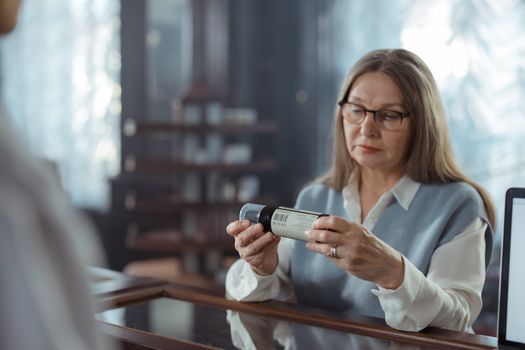
Buying medications online has become more routine than ever, with over 40% of Americans reporting they have purchased medicines through digital pharmacies at least once. This convenience, however, comes with a critical responsibility: understanding exactly what you’re buying. Misreading or misinterpreting medication labels can lead to ineffective treatment, allergic reactions, or dangerous drug interactions. When you purchase medicines online—often from unfamiliar brands or international sources—the importance of reading and interpreting labels correctly is even greater. This article will guide you through the essential steps to confidently read and interpret medication labels from online purchases, ensuring your safety and the effectiveness of your treatment.
The Anatomy of an Online Medication Label
Before diving into interpretation, it’s crucial to know what information should appear on a medication label, especially when purchased online. A proper medication label acts as your first line of defense against errors and misuse. The U.S. Food and Drug Administration (FDA) requires that all prescription and over-the-counter (OTC) medications sold in the United States include certain details, but labels from international or unregulated online pharmacies may differ.
Key elements to look for on a medication label:
- Name of the medication (both brand and generic) - Dosage strength (e.g., 500 mg) - Form (tablet, capsule, liquid, etc.) - Quantity in the package - Directions for use (frequency, timing, with/without food) - Expiry date and batch/lot number - Manufacturer’s name and contact information - Active and inactive ingredients - Warnings and contraindicationsAccording to a 2023 survey by the National Association of Boards of Pharmacy, up to 20% of online pharmacies fail to provide adequate labeling, increasing the risk of misuse. Always check that your product includes all of the above.
.png)
Spotting Red Flags: Authentic vs. Counterfeit Medication Labels
The World Health Organization (WHO) estimates that 1 in 10 medical products in low- and middle-income countries is substandard or falsified, and the problem extends to online purchases worldwide. Recognizing the difference between authentic and counterfeit medication labels is paramount.
Common red flags of counterfeit or poorly labeled medications:
- Spelling errors or poor grammar - Missing or vague manufacturer details - Absence of dosage strength or unclear instructions - Mismatched information (e.g., box says one strength, blister pack another) - No batch or lot number - Absence of regulatory logos, such as FDA or EMA approval markingsA survey in 2022 found that up to 30% of medicines purchased from rogue online pharmacies had either incomplete labeling or outright errors. If you see any of these warning signs, do not use the medication and contact a healthcare professional.
Below is a comparison of authentic versus suspicious medication labels:
| Label Characteristic | Authentic Medication | Suspicious Medication |
|---|---|---|
| Manufacturer Details | Clearly printed, traceable company name and contact info | Missing, generic, or unverifiable information |
| Dosage & Strength | Consistent across box, blister, and leaflet | Conflicting or missing dosage details |
| Ingredient List | All active/inactive ingredients listed | Partial or absent ingredient list |
| Expiry & Batch Numbers | Clearly visible and traceable | Missing or altered numbers |
| Language & Spelling | Professional, error-free language | Typos, broken English, or odd phrasing |
| Regulatory Logos | FDA, EMA, or national marks present | Absent or counterfeit-looking logos |
Deciphering Dosage, Frequency, and Administration
Misunderstanding the dosage or frequency can lead to underdosing, overdosing, or missed benefits. When reading a medication label from an online purchase, pay special attention to the following:
1. $1 This is usually indicated in milligrams (mg), micrograms (mcg), or international units (IU). For example, "Amoxicillin 500 mg" means each tablet contains 500 mg of amoxicillin. 2. $1 Look for instructions such as "Take one tablet twice daily," "every 8 hours," or "before meals." Sometimes, international products use 24-hour clock notation or abbreviations (e.g., "bid" for twice a day, "tid" for three times a day). 3. $1 Labels should specify how the medication is to be taken—by mouth (oral), applied to the skin (topical), inhaled, injected, etc. 4. $1 Some labels specify whether the medication should be taken with food, with a full glass of water, or at a specific time of day.According to a 2021 study in the Journal of Patient Safety, over 18% of medication errors stem from misinterpreting instructions, especially with products purchased online where English may not be the primary language of the packaging.
If anything is unclear, consult your pharmacist or healthcare provider before taking the medication.
Understanding Ingredients, Allergens, and Inactive Components
One of the greatest risks in online medication purchases is unrecognized ingredients that may cause allergic reactions or interact with other medications.
- $1 These are the chemicals that produce the intended effect. Make sure the active ingredient matches your prescription or recommendation. - $1 Also known as excipients or fillers, these substances (e.g., lactose, dyes, preservatives) help form the pill or liquid but do not have therapeutic action. However, they can cause issues for people with allergies or sensitivities. - $1 Common allergens include gluten, lactose, peanut oil, and artificial dyes. A 2020 FDA report found that 62% of adverse drug reactions related to online medication purchases were due to unexpected inactive ingredients. - $1 Some countries use different names for the same substances (e.g., paracetamol in the UK is acetaminophen in the US). Double-check to avoid confusion.Always read the entire ingredient list, and if you have known allergies or intolerances, verify with your healthcare provider or pharmacist.
Expiration Dates, Storage Instructions, and Batch Numbers: Why They Matter
Expired or improperly stored medications can lose effectiveness or become harmful. Online purchases are at higher risk for these issues due to longer shipping times or improper handling.
- $1 Never use medication past its expiration date. In a 2019 study, 15% of medicines purchased online had unclear or missing expiration dates. - $1 Labels may specify “store at room temperature,” “keep refrigerated,” or “protect from light.” Improper storage can degrade active ingredients. - $1 This is essential for tracking recalls or adverse reactions. Always note this number in case you need to report a problem.If any of these details are missing or illegible, do not use the medication and report the issue to the online pharmacy or regulatory authority.
When to Seek Professional Help: Reading Beyond the Label
Even with the most careful reading, some labels—especially those from overseas or unfamiliar sources—can be confusing or incomplete. Here’s when you should reach out for help:
- If instructions are unclear, incomplete, or in a foreign language - If you’re unsure about the equivalency of international brands or generic versions - If you notice potential interactions with your other medications - If the medication looks, smells, or tastes different from what you expectPharmacists are medication experts and can often verify labels, check for drug interactions, and confirm authenticity. Don’t hesitate to reach out to your local pharmacist, even if you bought the medication online.
Final Thoughts on Safely Reading Medication Labels from Online Purchases
Interpreting medication labels correctly is vital for your health, especially when purchasing from online pharmacies where risks of counterfeit, mislabeling, or unfamiliar brands are higher. By understanding the structure of a proper medication label, recognizing red flags, carefully checking dosage and administration instructions, and being aware of ingredient lists and expiration dates, you greatly reduce your chances of medication errors. Always seek professional advice if anything is unclear—your safety depends on it.