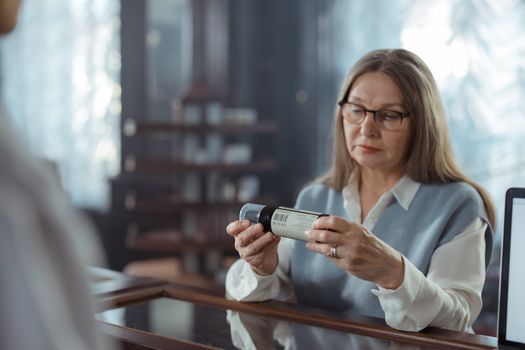
When you order medications online, you expect timely delivery and peace of mind. But what happens when your order doesn’t arrive as scheduled? The frustration and anxiety can be significant, especially when your health is at stake. In today’s digital age, online pharmacies have become a vital resource for millions. According to the National Association of Boards of Pharmacy, over 35% of Americans have purchased medications online at least once. Yet, delivery issues are not uncommon: a 2022 survey found that 1 in 8 online pharmacy customers experienced delayed or missing deliveries.
If you’re facing this situation, it’s essential to know your rights, your options, and effective steps to resolve the issue. This comprehensive guide will walk you through the practical actions you can take when your online-ordered medications do not arrive, helping you safeguard both your health and your finances.
Understanding the Most Common Reasons for Non-Delivery
Before you act, it helps to understand why online medication orders sometimes fail to arrive. Knowing the root cause will guide your next steps and the type of resolution you can expect.
.png) 1. Shipping Delays: Logistics hiccups are the most common cause. Weather disruptions, high package volumes (especially during flu season or holidays), and customs inspections for international orders can slow down deliveries.
2. Incorrect Address: A simple typo in your shipping address or an outdated saved address in your online pharmacy account can lead to failed deliveries or packages returned to sender.
3. Prescription Issues: Sometimes, the pharmacy encounters problems with your prescription—such as missing information, expired prescriptions, or the need for prior authorization from your doctor.
4. Payment Problems: Incomplete, declined, or flagged payments can halt the processing or shipping of your medications.
5. Regulatory and Legal Constraints: Some medications face stricter regulations, especially controlled substances. International orders may be seized or delayed by customs agents.
1. Shipping Delays: Logistics hiccups are the most common cause. Weather disruptions, high package volumes (especially during flu season or holidays), and customs inspections for international orders can slow down deliveries.
2. Incorrect Address: A simple typo in your shipping address or an outdated saved address in your online pharmacy account can lead to failed deliveries or packages returned to sender.
3. Prescription Issues: Sometimes, the pharmacy encounters problems with your prescription—such as missing information, expired prescriptions, or the need for prior authorization from your doctor.
4. Payment Problems: Incomplete, declined, or flagged payments can halt the processing or shipping of your medications.
5. Regulatory and Legal Constraints: Some medications face stricter regulations, especially controlled substances. International orders may be seized or delayed by customs agents.
According to a 2023 report by the Pharmaceutical Care Management Association, approximately 15% of delayed or missing medication orders are attributed to paperwork or regulatory complications.
Immediate Actions: What to Do the Moment You Notice Non-Delivery
If your medication hasn’t arrived by the promised date, time is of the essence—especially for critical prescriptions. Here’s how to respond:
1. Double-Check Your Order Details Review your confirmation email or online account for the order number, shipping address, and delivery date. Verify tracking details, if provided. 2. Use the Tracking System Most reputable online pharmacies provide tracking numbers. Check the latest status. If the package is marked “delivered” but you’ve not received it, check with neighbors or your building management. 3. Contact Customer Service Promptly Reach out by phone, chat, or email with your order number handy. Ask about the status, and request an estimated resolution time. Document all communications for reference. 4. Check Your Payment Status Log in to your payment method (credit card, PayPal, etc.) and confirm the payment went through. Sometimes, a failed payment can cancel the order without notice. 5. Look for Notification Emails Search your inbox (and spam folder) for emails from the pharmacy asking for additional prescription information or payment clarification. 6. Assess Your Medication Needs If you are running low or have missed doses, call your healthcare provider immediately for advice. They may be able to offer a temporary solution or write a replacement prescription for local pickup.Escalating the Issue: When to Seek Further Help
If your initial efforts don’t yield results within 48 hours, it’s time to escalate:
1. File a Formal Complaint with the Pharmacy Most legitimate online pharmacies have a complaints process. File a detailed complaint, attaching any receipts, email correspondence, and tracking information. 2. Involve Your Bank or Credit Card Provider If the pharmacy is unresponsive, and you paid but did not receive your medication, consider disputing the charge. Under the Fair Credit Billing Act, you may be eligible for a refund if goods were never delivered. 3. Contact Regulatory Authorities If you suspect fraud or a scam (for example, if the pharmacy disappears or communication ceases), contact consumer protection agencies such as the FDA’s Office of Drug Security or your country’s equivalent. 4. Report to Internet Pharmacy Verification Programs Organizations like the National Association of Boards of Pharmacy (NABP) and LegitScript monitor online pharmacies. Reporting issues with a verified pharmacy helps protect other consumers and can prompt investigations. 5. Notify Your Healthcare Provider Let your doctor or pharmacist know about the delay. They may recommend alternatives or help advocate on your behalf with the pharmacy.Alternatives and Contingency Plans for Medication Access
Delayed medication can jeopardize your health, especially for chronic conditions. Having a contingency plan is crucial:
1. Local Pharmacy Backup Ask your doctor if they can send a new prescription to a nearby brick-and-mortar pharmacy for immediate dispensing. Many local pharmacies offer emergency supply programs for critical medications. 2. Emergency Refills Some states allow pharmacists to dispense an emergency supply (usually 3-7 days’ worth) of certain maintenance medications without a new prescription, especially if you can show proof of ongoing therapy. 3. Telehealth and Prescription Transfers Many telemedicine platforms can issue quick refills or alternative prescriptions. Additionally, you may be able to request a transfer of your prescription from the online pharmacy to a local one. 4. Manufacturer or Patient Assistance Programs For high-cost or specialty drugs, contact the manufacturer’s patient support program. Some offer temporary supply assistance or coupons in case of shipment delays.Comparing Online Pharmacies: Delivery Reliability and Resolution Policies
Different online pharmacies have varying records when it comes to delivery reliability and customer service responsiveness. Below is a comparison of three major online pharmacies based on publicly available data and customer reviews:
| Online Pharmacy | Average Delivery Time (Days) | On-Time Delivery Rate (%) | Customer Service Response Time | Refund/Reship Policy |
|---|---|---|---|---|
| Pharmacy A | 3-5 | 93 | 24 hours | Full refund or reshipment within 7 days |
| Pharmacy B | 5-7 | 88 | 48 hours | Partial refund; reshipment case-by-case |
| Pharmacy C (International) | 10-15 | 76 | 72 hours | Refund only if package lost after 30 days |
These figures highlight the importance of choosing a reputable pharmacy with transparent policies. Always review delivery and refund terms before placing an order.
Legal Rights and Consumer Protections for Online Medication Orders
Understanding your legal rights can empower you when facing a non-delivery situation:
1. Right to Goods or Refund In most countries, consumers are legally entitled to receive the products they pay for or a prompt refund if the seller cannot deliver. For example, under U.S. Federal Trade Commission (FTC) rules, sellers must ship items within the time stated or, if no time is stated, within 30 days. If they can’t, they must notify you and offer a refund. 2. Chargeback Protections Credit card payments offer significant protection. If you do not receive your medication, you can initiate a chargeback with your bank, which temporarily reverses the charge while the issue is investigated. 3. Verified Pharmacy Safeguards Ordering from pharmacies certified by organizations like NABP or displaying the “.pharmacy” domain helps ensure you’re dealing with a legitimate business subject to regulatory oversight. 4. Insurance and Reimbursement If you ordered through your health insurance plan’s mail-order pharmacy, contact your insurer. They may have specific procedures for reporting lost shipments and obtaining refills or reimbursement.Staying Proactive: Preventing Future Delivery Issues
Once you resolve your current issue, it’s wise to take steps to prevent future non-delivery headaches:
1. Always Double-Check Information Confirm your shipping address, contact details, and prescription information before finalizing each order. 2. Set Up Notifications Opt in for shipping and delivery alerts via SMS or email, so you’re aware of your package’s status in real time. 3. Reorder Early Place orders at least two weeks before you run out, especially for medications you take regularly or those with long shipping times. 4. Use Reputable, Verified Pharmacies Stick to online pharmacies with strong customer service, verified credentials, and clear refund/reshipment policies. 5. Keep Documentation Maintain a folder with order confirmations, tracking numbers, and correspondence. This makes it easier to resolve any issues swiftly.According to a 2023 survey by Consumer Reports, customers who reordered medications at least 10 days before running out were 60% less likely to experience a gap in therapy due to delivery delays.
Final Steps When Online Ordered Medications Do Not Arrive
Delayed or missing medication deliveries can be stressful, but being prepared and knowing your options can make a significant difference. Start by checking your order details and contacting your pharmacy. Escalate as needed, involve your healthcare provider, and consider backup options to ensure your health is not compromised.
Remember, proactive planning—such as ordering early and using trusted pharmacies—can help minimize risks in the future. Your health and peace of mind are worth the extra diligence.