Selecting Quality: How to Choose the Right Vitamins and Supplements in Online Pharmacies
The surge in online pharmacy usage has made it easier than ever to access vitamins and dietary supplements. From the comfort of your home, you can browse thousands of products, compare prices, and have your chosen supplements delivered to your door. But with this convenience comes a new set of challenges: With so many brands, dosages, and claims, how do you ensure you’re choosing the right vitamins and supplements for your health needs? This article explores practical steps and key factors to help you confidently select safe, effective, and suitable supplements from online pharmacies.
The Modern Landscape of Online Supplement Shopping
Buying vitamins and supplements online has grown exponentially in recent years. According to a 2023 Statista report, global online sales of dietary supplements reached $16.7 billion, and this figure is expected to exceed $22 billion by 2027. More than 60% of U.S. adults now report purchasing supplements online at least once a year.
Why are so many people making the digital switch? Online pharmacies and supplement stores offer:
.png) - Greater product variety than most local stores
- Competitive pricing and frequent discounts
- Access to detailed product information and customer reviews
- Greater product variety than most local stores
- Competitive pricing and frequent discounts
- Access to detailed product information and customer reviews
However, this convenience comes with risks. The U.S. Food and Drug Administration (FDA) does not approve dietary supplements for safety or effectiveness before they reach the market. This means consumers must be proactive in verifying product quality and authenticity, especially online, where counterfeit or low-quality products can proliferate.
Key Factors to Consider Before Buying Supplements Online
Before adding a bottle of vitamins to your online cart, take time to evaluate several crucial factors:
1. $1: Not everyone needs the same vitamins. Age, gender, medical history, and lifestyle all influence which supplements may be beneficial—or potentially harmful. For example, a 2021 study in JAMA Internal Medicine found that only 10% of U.S. adults had a vitamin D deficiency, yet vitamin D supplements are among the most purchased online. Consult your healthcare provider or use reputable online resources to determine if you actually need supplementation. 2. $1: Supplements come in various forms—tablets, capsules, gummies, powders, and liquids. Some forms are better absorbed than others; for example, magnesium citrate is more bioavailable than magnesium oxide. Always check the dosage per serving and compare it to the Recommended Dietary Allowance (RDA) for your demographic. 3. $1: Reputable brands are transparent about their sourcing, manufacturing, and third-party testing. Look for clear labeling, ingredient lists, and certification seals (such as USP, NSF, or ConsumerLab). Avoid brands that make extravagant health claims or lack detailed product information.Evaluating Online Pharmacy Credibility and Safety
Not all online pharmacies are created equal. The National Association of Boards of Pharmacy (NABP) reports that nearly 95% of online pharmacies operate out of compliance with U.S. pharmacy laws and practice standards. To ensure you’re buying from a reputable source:
- $1: Look for certifications such as VIPPS (Verified Internet Pharmacy Practice Sites) or check listings on NABP’s Safe Pharmacy website. - $1: A legitimate online pharmacy provides a physical address and a working phone number. Be wary of sites that only offer email contact or hide their location. - $1: Reliable sites have clear policies on returns, refunds, and data privacy. Ambiguous or missing policies are red flags.Understanding Supplement Quality: Labels, Certifications, and Third-Party Testing
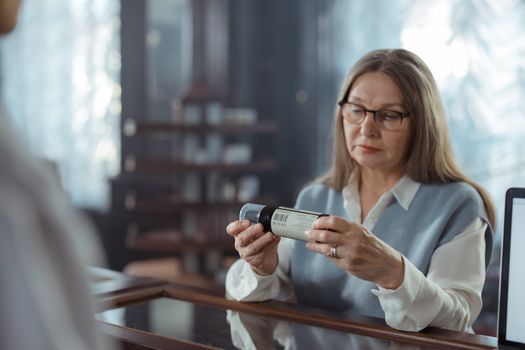
Product quality and authenticity are critical when purchasing supplements online. The label should provide more than just bold claims. Here’s what to look for:
- $1: This panel lists active ingredients, serving size, and other ingredients (fillers, binders, etc.). Compare this information to your recommended intake. - $1: Certifications from organizations such as the United States Pharmacopeia (USP), NSF International, and ConsumerLab indicate the product has been tested for purity, potency, and contaminants. A 2022 study found that only 12% of dietary supplements sold online carried a recognized third-party certification. - $1: These indicate the product’s freshness and traceability. Avoid products without clear dating.Below is a comparison of key certification organizations for supplements:
| Certification Organization | What It Tests For | Consumer Benefit |
|---|---|---|
| USP (United States Pharmacopeia) | Ingredient purity, potency, and manufacturing quality | Assures product contains what the label claims |
| NSF International | Contaminant testing, ingredient verification, manufacturing practices | Reduces risk of harmful contaminants |
| ConsumerLab | Random batch testing, label accuracy, contaminants | Independent verification of label claims |
Comparing Prices, Value, and Customer Reviews
Price is often a deciding factor, but the cheapest option is not always the best—or the safest. When shopping for vitamins and supplements online, consider:
- $1: Calculate the price per dose or per gram/milligram of active ingredient. Some bottles appear cheaper but contain fewer servings. - $1: Many online pharmacies offer discounts for auto-ship subscriptions, but check cancellation terms before committing. - $1: Reviews can offer insights into product effectiveness, taste, and potential side effects. Look for detailed, verified purchase reviews over generic praise or criticism.A 2023 survey found that 71% of online supplement shoppers read reviews before purchasing, but only 37% check for third-party lab results. Balance anecdotal experiences with objective quality indicators.
Recognizing Red Flags and Avoiding Common Pitfalls
The convenience of online pharmacies comes with risks unique to the digital world. Protect yourself by watching for these warning signs:
- $1: Be skeptical of supplements that promise to cure diseases, cause rapid weight loss, or replace prescription medications. The FDA prohibits unsubstantiated medical claims. - $1: If a price seems too good to be true, it could indicate a counterfeit, expired, or diluted product. - $1: Avoid products with proprietary blends that hide exact ingredient amounts.In 2022, the FDA issued more than 90 warning letters to online supplement sellers for violations ranging from misleading claims to contaminated products. Always verify a supplement’s credentials and consult with your healthcare provider before starting a new regimen.
Personalized Nutrition: Using Technology to Tailor Your Choices
An emerging trend in online supplement shopping is personalized nutrition. Some online pharmacies and health-tech companies now offer:
- $1: These can analyze blood, saliva, or DNA to assess your nutritional status and recommend specific supplements. - $1: Algorithms use your health data, age, and lifestyle to suggest targeted products. - $1: Telehealth services connect you with registered dietitians or pharmacists for supplement advice.According to a 2022 Nutrition Business Journal report, sales of personalized supplement services grew by 22% year-over-year. While these tools can help optimize your choices, they should complement—not replace—professional medical advice.
Smart Supplement Selection: Making Informed Decisions in Online Pharmacies
The vast selection of vitamins and supplements in online pharmacies can feel overwhelming, but making informed, safe choices is possible with the right approach. Prioritize your personal health needs, verify product and seller credibility, rely on trusted certifications, and weigh value beyond just price. Remember, supplements should enhance a healthy diet and lifestyle—not substitute for them.
By following these guidelines, you can confidently navigate the digital supplement market and support your well-being with the best available products.