The digital revolution has touched nearly every aspect of our lives, including how we access healthcare and medications. One of the most significant developments in this space is the rapid growth of online pharmacies. For millions of people worldwide, the ability to purchase over-the-counter (OTC) medications online offers convenience, privacy, and sometimes even cost savings. However, this new way of shopping for medicines also comes with its own set of challenges and concerns. In this article, we’ll dive deeply into the advantages and disadvantages of buying over-the-counter medications online, providing you with the facts, statistics, and real-world examples you need to make informed choices.
The Rise of Online OTC Medication Sales: A Growing Trend
The global market for online pharmacy sales has expanded rapidly in recent years. According to Statista, the worldwide e-pharmacy market was valued at approximately $68 billion in 2022 and is expected to surpass $150 billion by 2027. Over-the-counter medications represent a significant portion of these sales, as they are often purchased for common ailments such as headaches, allergies, and digestive issues.
A survey conducted by the European Consumer Centre found that 61% of respondents had purchased medicines online, with 43% specifically buying over-the-counter products. This trend is driven by several factors: increasing internet access, busy lifestyles, and the ongoing appeal of doorstep delivery.
.png)
But as more people consider buying OTC medications online, it’s essential to weigh both the benefits and the drawbacks of this modern approach.
Advantages of Buying Over-the-Counter Medications Online
1. Convenience and AccessibilityPerhaps the most commonly cited advantage is convenience. Online pharmacies are open 24/7, allowing users to shop from the comfort of home, at any hour. For people living in rural or remote areas, where brick-and-mortar pharmacies may be scarce, online options can be a game-changer. In fact, an estimated 18% of rural consumers in the United States rely on e-pharmacy services for OTC products, according to a 2023 survey by the National Rural Health Association.
2. Discreet Shopping ExperienceMany consumers appreciate the privacy afforded by online shopping, especially for sensitive or potentially embarrassing health concerns. Medications for conditions like athlete’s foot, hemorrhoids, or digestive issues can be ordered without face-to-face interaction, reducing social discomfort.
3. Wider Product SelectionPhysical pharmacies are limited by shelf space, but online stores can offer a much broader range of OTC medications, including international brands or hard-to-find products. For example, an online search for antihistamines can yield over 50 different options, compared to just a handful in the average local store.
4. Price Comparison and DiscountsOnline shoppers can compare prices across multiple retailers in minutes, helping them find the best deals. Many online pharmacies also offer discounts, loyalty programs, and bulk purchase options. According to a 2022 study by Consumer Reports, buying common OTC medications online can save consumers up to 25% compared to in-store prices.
Disadvantages and Risks of Purchasing OTC Medications Online
Despite these advantages, buying over-the-counter medications online also presents notable risks and downsides.
1. Risk of Counterfeit or Substandard ProductsThe World Health Organization estimates that 1 in 10 medical products in developing countries is substandard or falsified, with online sales being a significant contributor. Even in developed nations, there have been reports of counterfeit OTC medications sold by unverified websites. These fake products can be ineffective or even dangerous, sometimes containing incorrect ingredients or harmful substances.
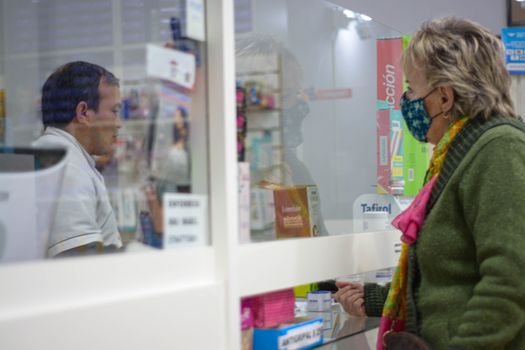
2. Lack of Professional GuidanceIn traditional pharmacies, pharmacists are available to answer questions, provide advice on drug interactions, or recommend suitable alternatives. Online platforms may offer some support via chat or email, but the immediacy and depth of guidance can be lacking. This can increase the risk of misuse, especially for those taking multiple medications or managing chronic conditions.
3. Delayed Access and Shipping IssuesWhile delivery is convenient, it is not always instantaneous. Shipping delays, lost packages, or logistical issues can leave consumers without much-needed medications. A 2021 survey by the International Pharmaceutical Federation found that 12% of online pharmacy customers experienced delayed shipments of essential OTC products.
4. Privacy and Data Security ConcernsOnline shopping requires the sharing of personal and financial information. Not all platforms have robust security measures, making consumers vulnerable to data breaches or identity theft. In 2022 alone, over 3,000 cases of pharmacy-related online scams were reported to the European Medicines Agency.
Comparing Online vs. In-Store OTC Medication Purchases
To better understand the trade-offs, here’s a side-by-side comparison of key factors when buying over-the-counter medications online versus in a traditional brick-and-mortar pharmacy:
| Factor | Online Purchase | In-Store Purchase |
|---|---|---|
| Convenience | Available 24/7, shop from home | Limited to store hours, in-person visit required |
| Product Selection | Extensive variety, including rare brands | Limited by shelf space and inventory |
| Price | Frequent discounts, easy price comparison | Standard pricing, fewer promotions |
| Expert Guidance | Limited, often via chat/email | Immediate, face-to-face pharmacist advice |
| Safety | Risk of counterfeit products if not using verified sites | Regulated, high assurance of authenticity |
| Privacy | Discreet, no face-to-face interaction | Less private, interaction with staff/customers |
| Delivery Time | Delayed by shipping times | Immediate, take home after purchase |
Regulatory Landscape and Safety Measures
Governments and health agencies worldwide are working to regulate the online sale of medicines, but the digital marketplace still presents significant oversight challenges. In the European Union, online pharmacies must display the EU common logo, indicating they are registered and authorized. However, according to a 2023 survey by the European Medicines Agency, only 52% of consumers are aware of this logo or know how to verify a legitimate site.
In the United States, the National Association of Boards of Pharmacy (NABP) maintains a list of Verified Internet Pharmacy Practice Sites (VIPPS), helping consumers identify safe platforms. Despite these efforts, rogue pharmacies persist. The Center for Safe Internet Pharmacies estimates that over 95% of websites selling prescription and OTC drugs online operate illegally or outside regulatory compliance.
Consumers should look for the following when shopping online for OTC medications: - Verification seals from recognized authorities (EU logo, NABP VIPPS) - Clear contact information and licensing details - Secure payment systems (https:// in the URL) - Transparent return and privacy policiesWho Benefits Most—and Least—from Online OTC Medication Sales?
The shift to online purchasing of OTC medicines has distinct implications for different groups of consumers.
Beneficiaries: - Rural residents with limited local pharmacy access - People with mobility challenges or disabilities - Busy professionals seeking time savings - Those requiring discreet purchases for sensitive conditions Potentially Disadvantaged: - Elderly individuals less comfortable with technology - People with complex medical needs who benefit from pharmacist interaction - Consumers with urgent needs who can’t wait for shipping - Individuals at risk of scams or unable to verify site legitimacyA 2022 analysis by the Pew Research Center found that 72% of adults under 40 had purchased health products online, compared to just 38% of those over 65, highlighting a digital divide that can impact access and safety.
Final Thoughts on the Pros and Cons of Buying OTC Medications Online
The online marketplace for over-the-counter medications is thriving, offering unmatched convenience, selection, and often lower prices. For millions of people—especially those living in remote areas or seeking privacy—these benefits are substantial. However, the risks cannot be ignored. Issues such as counterfeit products, lack of professional guidance, shipping delays, and data breaches are real concerns.
The key for consumers is to balance these pros and cons carefully. Shopping from reputable, regulated online pharmacies, being aware of verification tools, and maintaining open communication with healthcare professionals can help maximize the advantages while minimizing potential harms. As digital health continues to evolve, staying informed is the best defense against pitfalls and an essential step toward safe, effective self-care.