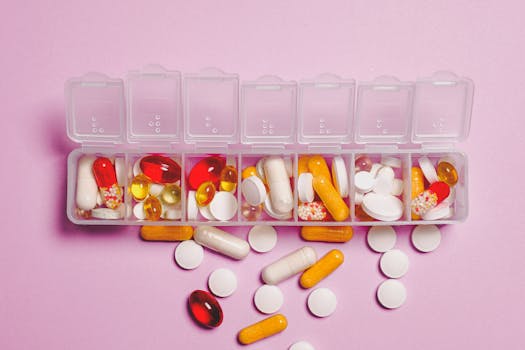
Generic medications are an essential component of modern healthcare, offering the same efficacy and safety as their branded counterparts but at a significantly lower cost. These affordable alternatives are crucial for managing healthcare expenses and improving access to necessary treatments.
What Are Generic Medications?
Generic drugs are copies of brand-name drugs and have the same active ingredients, dosage forms, strengths, and routes of administration. The main differences between them are typically name, appearance, and price. To be approved by the FDA, generics must demonstrate bioequivalence to the brand-name version, ensuring they perform in the same manner and produce the same treatment outcomes.
.png)
Cost-Effectiveness of Generic Drugs
The affordability of generic drugs is one of their most appealing attributes. On average, generics cost 80-85% less than their brand-name equivalents. This price reduction stems from the fact that generic drug manufacturers do not incur the high costs of drug development and marketing that original manufacturers face. These savings are passed on to consumers, helping reduce overall healthcare costs significantly.
Quality and Safety Standards
Despite their lower price, generic medications meet the same strict standards of quality, safety, and effectiveness as brand-name drugs. The FDA oversees rigorous inspection processes and requires that all medications, including generics, comply with high standards. Therefore, consumers can be assured that generic drugs are both effective and safe for use.
Benefits to the Healthcare System
The widespread use of generic drugs brings considerable savings to the healthcare system. According to the FDA, generics have saved the U.S. healthcare system about $1.67 trillion over the past decade. These savings can be redirected towards advancing other medical technologies and treatments, further enhancing healthcare delivery and innovation.
Enhancing Access to Medications
By lowering drug costs, generics make healthcare more accessible to a broader segment of the population. This increased accessibility can lead to improved health outcomes, as more people can afford the medications they need without financial strain.
Encouraging Market Competitiveness
Generic drugs also promote competitiveness in the pharmaceutical market. They challenge brand-name manufacturers to innovate and improve their products, which can lead to the development of better and more effective treatment options for patients.
Conclusion
Generic drugs are a crucial element of the healthcare system, providing effective, safe, and more affordable medication options. They help manage and reduce healthcare costs while ensuring that vital treatments remain accessible to those who need them most. As the cost of healthcare continues to rise, generic medications will play an increasingly vital role in ensuring comprehensive access to necessary medical treatments without imposing financial hardship. Understanding and trusting in the quality and effectiveness of generic drugs enables consumers to make informed decisions about their health and manage their medical expenses efficiently.