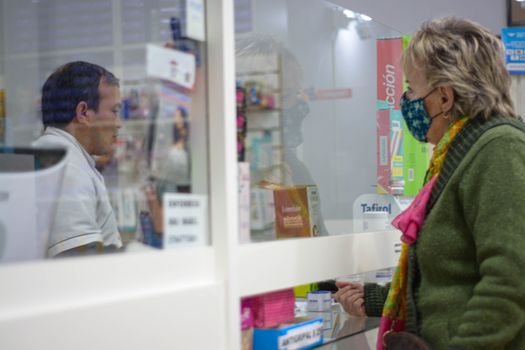
The rise of online pharmacies has transformed how we access essential medications, offering unparalleled convenience and potentially lower prices. However, this digital shift has also given rise to a pressing concern: the proliferation of illegitimate or unsafe online pharmacies. According to the National Association of Boards of Pharmacy (NABP), as of 2023, more than 95% of online pharmacies reviewed did not comply with pharmacy laws and practice standards. For consumers, this creates an urgent need to distinguish between trustworthy providers and those that could endanger their health. Understanding how to verify the legitimacy of an online pharmacy is not just about saving money—it’s about protecting your wellbeing.
The Hidden Dangers of Illegitimate Online Pharmacies
Illegitimate online pharmacies can pose serious threats. The World Health Organization estimates that 1 in 10 medical products in low- and middle-income countries is substandard or falsified, and the risk is magnified in the digital marketplace. These rogue operations may:
- Sell counterfeit or expired medications - Dispense drugs without requiring a prescription - Store and ship drugs improperly, affecting their safety - Fail to protect your personal and financial dataA 2022 study published in the Journal of Medical Internet Research found that 62% of unverified online pharmacies sold prescription medications without requiring any prescription at all. This not only violates legal and ethical standards but also puts consumers at risk of drug interactions, overdoses, or receiving ineffective medications.
.png)
Key Regulatory and Certification Bodies to Know
One of the most reliable ways to verify the legitimacy of an online pharmacy is to look for certification from recognized regulatory bodies. These organizations evaluate and accredit online pharmacies based on strict safety, quality, and privacy standards. Here are the key entities to be aware of:
- NABP (National Association of Boards of Pharmacy): In the United States, NABP’s .pharmacy Verified Websites Program is the leading certification for legitimate online pharmacies. The NABP maintains a searchable list of verified sites at safe.pharmacy. - CIPA (Canadian International Pharmacy Association): CIPA certifies Canadian online pharmacies that meet safety and privacy standards. Accredited pharmacies display the CIPA seal and can be verified through cipa.com. - EU Common Logo: European Union member states require legal online medicine retailers to display a specific EU logo, which links to the country’s national medicines authority.The presence of these seals or logos should always be verified by clicking them—they should lead to the certifying authority’s website, confirming active accreditation.
Critical Website Features of Legitimate Online Pharmacies
Legitimate online pharmacies share several important characteristics. When evaluating an online pharmacy, look for these website features:
1. $1: Reputable pharmacies always require a valid prescription from a licensed healthcare provider before dispensing prescription medications. If a site allows you to purchase prescription drugs without a prescription, it’s a red flag. 2. $1: Trustworthy sites provide access to licensed pharmacists who can answer your questions about medications, interactions, and side effects. This is often listed as “pharmacist available for consultation” during business hours. 3. $1: Legitimate pharmacies provide a verifiable physical address (not just a PO box) and direct contact information, including a phone number and email. You can often cross-check this information through state or national pharmacy boards. 4. $1: Look for a detailed privacy policy outlining how your health and payment information is protected. Secure sites use HTTPS encryption, visible as a padlock in your browser’s address bar. 5. $1: Reputable online pharmacies clearly state where their medications are sourced, list the manufacturers, and provide transparent pricing without hidden fees.To help visualize the differences between legitimate and illegitimate online pharmacies, see the table below:
| Criteria | Legitimate Online Pharmacy | Illegitimate Online Pharmacy |
|---|---|---|
| Prescription Requirement | Always required for prescription drugs | Rarely or never required |
| Certifications/Seals | NABP, CIPA, EU logo—verifiable | Fake or absent, not verifiable |
| Pharmacist Access | Licensed pharmacist available | No access or unclear credentials |
| Contact Information | Full address, phone, email | Missing or vague contact info |
| Website Security | HTTPS encryption, privacy policy | No HTTPS, unclear privacy practices |
| Drug Source Transparency | States manufacturer and country of origin | No sourcing information |
How to Research an Online Pharmacy’s Track Record
Beyond surface-level checks, it’s wise to investigate an online pharmacy’s history and reputation. Here’s how you can do that:
- $1: Use the NABP’s Safe Pharmacy database, the CIPA member list, or your country’s pharmacy regulatory board to verify licensing and certification. - $1: Search for independent reviews on platforms like Trustpilot, Google, or the Better Business Bureau. Be wary of overly positive reviews on the pharmacy’s own website. - $1: The U.S. Food and Drug Administration (FDA) maintains a list of warning letters issued to online pharmacies. Similarly, Health Canada and the European Medicines Agency publish alerts about illegal or unsafe pharmacy sites. - $1: Use domain lookup tools (such as WHOIS) to see how long the pharmacy’s website has been operational. Many scam sites are short-lived.A 2021 survey by the Alliance for Safe Online Pharmacies found that consumers who researched a pharmacy before purchasing were 80% less likely to report problems with their orders.
Common Red Flags: How Scammers Try to Lure You In
Illegitimate online pharmacies often use tactics to attract unwary buyers. Recognizing these warning signs can help you avoid scams:
- $1: While online pharmacies can offer savings, prices that are far below market averages are suspicious and may indicate counterfeit products. - $1: Legitimate pharmacies rarely, if ever, offer “buy one, get one free” deals on prescription medications. - $1: Legitimate pharmacies do not solicit customers through unsolicited emails or pop-up ads. - $1: Any site advertising prescription drugs “without a prescription” is operating illegally and unsafely. - $1: Lack of a physical address or a working phone number is a major warning.According to the Center for Safe Internet Pharmacies, nearly 25% of Americans have received unsolicited emails from questionable pharmacy websites in the past year.
Steps to Take if You Suspect a Fake Online Pharmacy
If you suspect that an online pharmacy is illegitimate, take these steps to protect yourself and others:
1. $1: Never provide payment or personal information to a questionable site. 2. $1: In the U.S., report suspicious sites to the FDA’s MedWatch program or the NABP. In Canada, use Health Canada’s online form. EU residents can contact their national medicines authority. 3. $1: If you have already provided financial information, alert your bank or credit card provider to monitor for fraudulent activity. 4. $1: Share your experience on consumer protection forums and review platforms to help prevent others from falling victim. 5. $1: If you have already purchased or taken medication from a suspicious source, inform your doctor immediately.In 2023, over 50,000 illegal online pharmacy websites were shut down worldwide as a result of consumer reports and regulatory action.
Final Thoughts on Verifying Online Pharmacy Legitimacy
The convenience and accessibility of online pharmacies are transformative for many, but they come with real risks if you don’t exercise caution. By knowing what to look for—regulatory certifications, prescription requirements, transparent contact information, and secure practices—you can shield yourself from the dangers of counterfeit or unsafe medications. Remember, the safest path is to start with trusted sources and conduct thorough research before making any purchase. Your health is too important to leave to chance.